
Reviewed · COOKING CLASSES
Traditional Malaysian Cooking Class with Market Tour
Malaysia’s best food lessons often begin before the stove is lit. This five-hour experience starts at TTDI Wet Market, where you learn how local herbs and ingredients fit into Malaysian cooking, then moves to a cooking station for dishes such as char kway teow, nasi lemak, and roti canai. I like the market-to-table flow and the chance to cook instead of simply watching. I also like the small group size, capped at 14, since that gives you a better shot at help from the instructor.
The main caution is value and booking clarity. At $149.96 per person, this is not a cheap cooking class, and some booking arrangements have caused confusion about hotel transport and the price charged by different sellers. The current details say you meet at the market and make your own way back, so confirm exactly what is included before paying.
In This Review
- Key points to know before you book
- Why the market visit matters before you cook
- From market ingredients to your own kitchen station
- Cooking char koay teow, nasi lemak, and roti canai
- The communal lunch is part of the lesson
- What the $149.96 price really buys
- Timing, transport, and the five-hour schedule
- Who will enjoy this class most
- Practical advice for getting the most from the morning
- Should you book this Malaysian cooking class?
- FAQ
- Where does the cooking class begin?
- What time should I arrive?
- How long does the experience last?
- Is hotel pickup or drop-off included?
- Which dishes will I cook?
- Can vegetarians and vegans join?
- What happens if the class does not reach the minimum number?
Key points to know before you book
- The morning begins at TTDI Wet Market: Meet at Pasar Besar Taman Tun Dr Ismail, with the market portion starting around 8:30 a.m.
- You cook three Malaysian favorites: The class can include char koay teow, nasi lemak, and roti canai, along with other local dishes.
- Sally and Irene are named instructors: Sally has led the market walk, while Irene has taught the cooking portion.
- You eat what you prepare: Lunch is the food made during class, served as a communal meal.
- The class is genuinely hands-on: Each participant works at a kitchen station with step-by-step guidance.
- The minimum is four people: The provider can cancel and offer a full refund if too few people book.
Why the market visit matters before you cook
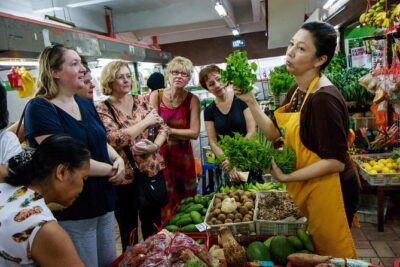
Meeting at TTDI Wet Market gives the morning a useful beginning. Instead of walking into a kitchen with a pile of unfamiliar ingredients, you first see the setting where many Kuala Lumpur cooks buy food. The meeting point is Pasar Besar Taman Tun Dr Ismail, also called TTDI Wet Market, at TS37, Pasar Besar, Taman Tun Dr Ismail.
I like this order. Malaysian recipes can look simple on paper, but the ingredients do much of the work. Herbs, aromatics, noodles, rice, and spices are not just background items. Their smell, texture, and proper use shape the final dish. A market walk helps you connect those ingredients to the food on your plate.
Sally is named as one of the market guides. Her role includes explaining traditional herbs and ingredients, with practical advice on how they are used. That is more useful than a quick stroll past stalls with no context. If you have never cooked Malaysian food, this is the part that can make the later kitchen work feel less mysterious.
The market visit also gives you a look at everyday food culture without asking you to spend the whole morning sightseeing. You are not simply collecting photographs. You are learning what goes into dishes you will soon prepare yourself.
You should arrive at least 15 minutes early. The meeting time is listed as 8:15 a.m., with the class beginning at 8:30 a.m. Since the experience depends on a group moving together, arriving late could be awkward. Hotel pickup and drop-off are not included in the current details, so plan your route to TTDI Wet Market before the morning begins.
More cooking classes in Kuala Lumpur:
- LaZat Malaysian Cooking Class
★ 5.0 · 87 reviews - Malaysia Cooking Classes With Local
★ 5.0 · 87 reviews - New Malaysian Kitchen Cooking Class and Garden Tour
★ 5.0 · 54 reviews
From market ingredients to your own kitchen station
After the market portion, the group moves to the cooking school. The class starts with a health and safety briefing, then shifts into a step-by-step lesson at your own kitchen station. The format is designed for both beginners and experienced cooks.
That is a good setup for a mixed group. If you are new to cooking, you can follow the instructor’s directions at a steady pace. If you already cook often, you can focus on technique, ingredient combinations, and the small choices that make Malaysian food taste right.
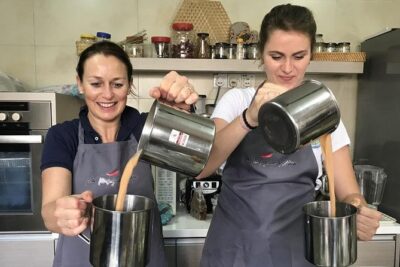
The instructors show you how to mix ingredients and use the utensils correctly. This matters because a hands-on class can become frustrating if you are left to guess what to do next. The stated format promises direct instruction rather than a demonstration where you sit back and watch someone else handle every important step.
I especially like the personal station arrangement. A shared table can turn into a scramble for tools or ingredients. Your own work area gives you room to take part and makes the meal feel like something you actually made.
The group limit is 14 people. That is not an intimate private lesson, but it is still small enough to offer a reasonable chance of instructor attention. The minimum operating size is four people, so the class needs enough bookings to run. If the provider cancels because that minimum is not met, you can choose another date or receive a full refund.
Classes are conducted in English. That makes the lesson accessible to English-speaking visitors, though the amount of personal help you receive may depend on the final group size and the pace of the session.
Cooking char koay teow, nasi lemak, and roti canai
The featured dishes give you a useful introduction to several sides of Malaysian food.
Char koay teow is a fried noodle dish. Preparing it gives you a chance to work with noodles, seasonings, and the quick cooking style common in much Southeast Asian food. The dish is familiar enough to be approachable, but it also shows why heat, timing, and preparation matter.
Nasi lemak centers on coconut rice. This dish offers a different lesson from fried noodles, with attention to rice, richness, and the flavors served alongside it. It is one of Malaysia’s best-known foods, so learning to make it gives your meal a strong local anchor.
Roti canai brings bread into the class. The flaky Indian-style bread adds a hands-on challenge and shows how Malaysian food draws from several culinary traditions. You will not be cooking a menu from one narrow regional style. You are getting a glimpse of the mix that makes Malaysian food so appealing.
The menu may include other dishes as well, since the description uses phrases such as these are only a few examples. Do not assume a fixed number of recipes unless the operator confirms the exact menu for your date.
The class is designed around participation. You mix ingredients, handle utensils, and follow the cooking process under direction. That makes it a better fit for someone who wants practical skills and a story to take home, rather than someone looking only for a meal.
A named instructor, Irene, is associated with the cooking session. Her teaching has been described as lively and enjoyable, with time for cooking and conversation. That social side is part of the appeal. You are working beside other people, comparing progress, and sharing the occasional kitchen mistake.
The communal lunch is part of the lesson
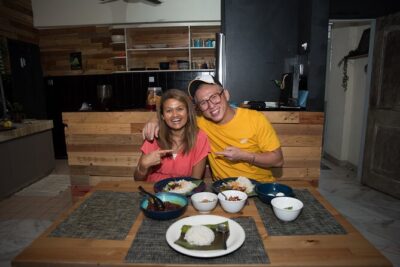
The final reward is lunch made from your own work. The meal is not a separate restaurant stop added at the end. It completes the class and lets you taste the results while the techniques are still fresh in your mind.
I like this approach because the meal gives every recipe a clear purpose. You are not chopping ingredients for practice only. You see the food come together, sit down with the group, and eat what you prepared.
The communal format also suits friends, families, and solo visitors who enjoy talking with people from different places. The experience is built around conversation as much as cooking. If you prefer a quiet, private lesson, this may feel more social than you want.
Lunch is included, but it means the food you prepare during class. It does not mean a separate hotel meal or a restaurant lunch. That distinction is simple, but it helps you judge the value correctly.
Vegetarians and vegans are welcome, and ingredients can be substituted. Tell the provider about your dietary needs before the class so the kitchen can prepare properly. The available information confirms substitutions for vegetarian and vegan participants, but it does not spell out every possible allergy accommodation.
More market walks around Kuala Lumpur:
- Market Visit & Private Hands-on Cooking Class at Daun Senja
★ 5.0 · 51 reviews - Private Kuala Lumpur Night Market And Food Tour
★ 5.0 · 13 reviews - Kuala Lumpur: Street Market Exploration & Shopping Tour
★ 4.9 · 12 reviews - Private Tour: Half-Day Shopping and Market Exploration in Kuala Lumpur
★ 4.0 · 11 reviews
What the $149.96 price really buys
The listed price is $149.96 per person. That is a substantial amount for a five-hour activity in Kuala Lumpur, so I would look closely at what you value before booking.
You are paying for more than a recipe sheet. The package includes the market tour, ingredients, cooking equipment, instruction, and lunch. You also get a cultural explanation of herbs and food customs, plus a small-group setting rather than a large demonstration.
For a visitor who wants a single, organized food experience, that can be fair value. You do not need to source unfamiliar ingredients, find a suitable kitchen, or figure out the recipes alone. The class also gives you a practical way to spend a morning that connects shopping, cooking, and eating.
Still, the price deserves comparison. One important concern is that different booking channels may charge very different amounts for what appears to be the same class. Some booking arrangements have also created confusion about hotel pickup and drop-off. The current tour details specifically say that hotel transport is not included, and the meeting point is the market, so I would not pay extra assuming a transfer is part of the deal.
Check the final confirmation for four things:
- The exact meeting point at TTDI Wet Market
- Whether the market tour is included in your booking
- Whether hotel transport is excluded
- The precise price and cancellation terms
Group discounts are available, which may make the experience more attractive for families or friends booking together. Since the class needs at least four people to operate, a group booking may also help the session reach its minimum.
Timing, transport, and the five-hour schedule
The experience runs from Tuesday through Saturday. It starts in the morning and finishes around 1:30 p.m., returning to the meeting point. The published meeting time is 8:15 a.m., while the class begins at 8:30 a.m., so treat the earlier time as your arrival deadline.
The schedule suits a visitor who wants to keep the afternoon free. You can take the morning for food and culture, eat lunch before the class ends, and then continue with other Kuala Lumpur plans.
The tradeoff is the early start. You need to reach TTDI before breakfast or arrange a quick meal beforehand, depending on your routine. Since transport is not included, you are responsible for getting to the market and arranging your onward journey.
The meeting point is near public transportation. That helps, but the supplied details do not specify the best route from your hotel. I would check your route the night before and allow extra time. Kuala Lumpur mornings can be unpredictable, and a cooking class is not an ideal activity for arriving breathless and late.
The activity ends back at the meeting point. There is no hotel drop-off included, so plan your afternoon from TTDI rather than from your accommodation.
Who will enjoy this class most
I would recommend this experience to you if food is one of your main reasons for visiting Malaysia. It is especially useful if you like learning by doing and want more than a restaurant meal.
It should suit:
- First-time cooks who want patient, guided instruction
- Experienced home cooks curious about Malaysian techniques
- Couples, families, and friends who enjoy a shared activity
- Solo visitors who like social classes
- Vegetarians and vegans, provided substitutions are arranged
- Anyone who wants a market visit tied directly to a meal
You may want to skip it if you dislike group activities, need a private class, or are looking for a low-cost way to sample Malaysian food. You also need to be comfortable with a five-hour morning and an early meeting time.
The group cap of 14 helps keep the class manageable, but it does not guarantee a private feel. Ask about the expected group size if close personal instruction is your main reason for booking.
Practical advice for getting the most from the morning
Arrive 15 minutes early and bring a little patience. The day includes a market visit, movement between locations, preparation, cooking, and a shared meal, so it is not a quick demonstration.
Wear clothing that you do not mind cooking in. The information does not specify a dress code or protective clothing, so sensible kitchen attire is your safest choice.
Ask questions during the market walk. The lesson becomes more useful when you connect an unfamiliar herb or ingredient to a dish you will prepare later. If Sally leads your market portion, take advantage of her explanations rather than treating the market as a simple stop on the way to the kitchen.
During the cooking session, tell Irene or another instructor if you need the steps repeated. The class is built for different skill levels, and the point is to learn at your own pace.
If you have dietary restrictions, communicate them before arrival. Vegetarian and vegan substitutions are available, but advance notice is the practical way to avoid confusion once the cooking starts.
Finally, save the confirmation on your phone. A mobile ticket is accepted, and booking confirmation is sent at the time of booking. Keep the meeting address handy because the experience does not begin at a hotel.
Should you book this Malaysian cooking class?
I would book it if you want a hands-on morning that links Kuala Lumpur’s market culture with three recognizable local dishes. The strongest features are the market-to-kitchen format, the chance to cook your own lunch, and the instructors’ personal guidance. Sally’s ingredient explanations and Irene’s lively cooking instruction add a human touch that a standard food tour may lack.
I would hesitate if the $149.96 price is a major concern. Compare the final cost carefully, confirm that the market tour is included, and make sure you understand that hotel pickup and drop-off are not part of the stated package.
For food-focused visitors, families, and curious home cooks, this is a useful way to spend five hours. For anyone seeking a bargain or a private lesson, the price and group format may not fit. Book only after checking the details, then arrive ready to work, eat, and accept a little flour on your hands.
FAQ
Where does the cooking class begin?
The experience begins at Pasar Besar Taman Tun Dr Ismail, also known as TTDI Wet Market, at TS37, Pasar Besar, Taman Tun Dr Ismail, 60000 Kuala Lumpur.
What time should I arrive?
The listed start time is 8:15 a.m., and you should be at the meeting point at least 15 minutes before the activity begins. The market tour and class are scheduled to start at about 8:30 a.m.
How long does the experience last?
The activity lasts approximately five hours. It runs from the morning start until about 1:30 p.m., when lunch has finished.
Is hotel pickup or drop-off included?
No. Hotel pickup and drop-off are not included. You meet at TTDI Wet Market, and the activity ends back at the meeting point.
Which dishes will I cook?
The class can include char koay teow, nasi lemak, and roti canai, along with other Malaysian favorites. The exact menu should be confirmed for your class date.
Can vegetarians and vegans join?
Yes. Vegetarians and vegans are welcome, and ingredients can be substituted. You should provide your dietary information before the class.
What happens if the class does not reach the minimum number?
At least four people are required for the class to operate. If the provider cancels because that minimum is not met, you will be offered another date or experience, or you can receive a full refund.
More Workshops in Kuala Lumpur
- Batu Caves and Sari Experience with Batik Workshop
★ 5.0 · 181 reviews - Batik Coloring Workshop by myBatik
★ 5.0 · 48 reviews - Batik Bag Painting Workshop by myBatik
★ 5.0 · 35 reviews - Malaysian Hands-On Cooking Class : Masala Medley
★ 5.0 · 24 reviews
More Shopping Tours in Kuala Lumpur
- Kuala Lumpur: Malaysian Cooking Class with Market Tour
★ 5.0 · 11 reviews - Private Tour : “Lepak-Lepak” at Local Night Market & Mamak Stall
★ 4.5 · 4 reviews - Private Night Tour: Petronas Twin Tower And Shopping
★ 5.0 · 3 reviews
More tours in Kuala Lumpur we've reviewed
- Batu Caves & Putrajaya Highlights: Landmarks & Botanical Garden★ 4.5 · 3 reviews
- AVANI Sepang Goldcoast Resort Hotel TO Kuala Lumpur Hotel Door to Door Transfer★ 4.5 · 3 reviews
- KL Cruise Excursions from Port Klang for KL City Tour★ 4.5 · 3 reviews
- Fireflies & Silver Leaf monkey Tour With Free Batu Caves Temple★ 5.0 · 3 reviews
- Private Kuala Lumpur City Tour with KL Tower & Batu Caves★ 5.0 · 3 reviews
- Exclusive Malacca Private Tour★ 5.0 · 3 reviews
- Fireflies and Kuala Selangor Tour Including Dinner★ 3.5 · 3 reviews
- Private Batu Caves & Petronas Twin Tower Tickets With Lunch *26*★ 5.0 · 3 reviews
Cooking Classes, compared.
New Malaysian Kitchen Cooking Class and Garden Tour
Read our review →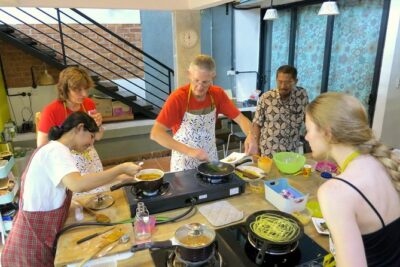
Market Visit & Private Hands-on Cooking Class at Daun Senja
Read our review →
Malaysian Hands-On Cooking Class : Masala Medley
Read our review →
Browse the lists this tour appears in