
Reviewed · COOKING CLASSES
New Malaysian Kitchen Cooking Class and Garden Tour
The best part of this Kuala Lumpur cooking class happens before the stove is lit. Sara Khong welcomes you into her family home, then leads you through an edible garden filled with more than 50 herbs, spices, flowers, and fruit used in Malaysian cooking. You get to see, smell, touch, and taste ingredients such as turmeric and curry leaves before learning how they work in the kitchen.
I like the small six-person limit, which gives Sara time to correct your chopping, explain unfamiliar ingredients, and answer practical questions. I also like that you cook five dishes yourself, rather than watching a short demonstration before eating a prepared meal. The main drawback is the price: at $150 per person, this is a serious splurge for a four-hour class, even though it includes a garden tour, hands-on cooking, a meal, and recipes to take home.
In This Review
- Key points at a glance
- A family kitchen about 20 minutes from central Kuala Lumpur
- Starting with flower tea and a walk through the edible garden
- Preparing five Malaysian dishes from the ground up
- Eating the food you prepared with a Malaysian family
- What you take home besides a full stomach
- Is $150 a fair price for four hours?
- Who will get the most from this cooking class?
- Practical details before you book
- Should you book New Malaysian Kitchen?
- FAQ
- Where does the cooking class take place?
- How long does the activity last?
- On which days does the class operate?
- How many people can join the class?
- Who teaches the cooking class?
- How many dishes will I prepare?
- Is the garden tour included?
- Can I cancel for a full refund?
Key points at a glance
- A real family kitchen: Cook at Sara Khong’s home with Sara and, on some sessions, her mother.
- More than 50 edible plants: Learn how garden ingredients such as turmeric and curry leaves shape Malaysian food.
- Five dishes by choice: Prepare a selection of Malaysian favorites, which may include nasi lemak, chicken rendang, teh tarik, or ondeh-ondeh.
- A very small group: The class accepts no more than six people, so instruction can be personal.
- Lunch is part of the lesson: Sit down together and eat the food you prepared while discussing Malaysian food and daily life.
- Useful take-home material: A recipe booklet helps you repeat the dishes at home.
A family kitchen about 20 minutes from central Kuala Lumpur
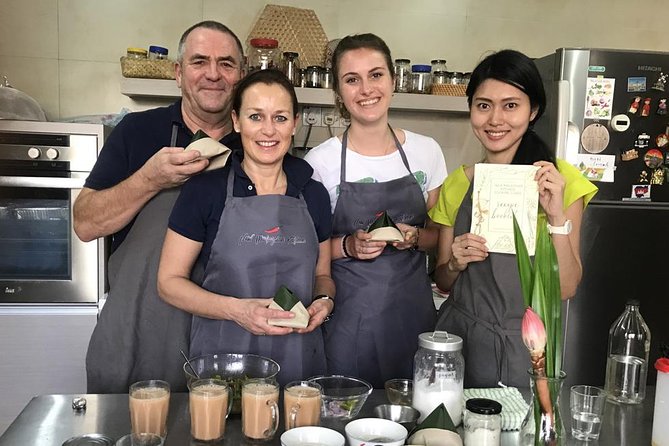
New Malaysian Kitchen is in Taman Len Seng, a friendly neighborhood about 20 minutes from Kuala Lumpur. The setting matters. You are not in a polished restaurant classroom built for large groups. You enter a family home and cook in a real Malaysian kitchen, with the garden and household setting adding context that a standard demonstration class often misses.
Sara Khong is the host and instructor. She is a professional cook and author of four Malaysian cookbooks, so she can explain both the practical steps and the reasons behind them. Her mother may also be part of the class, adding a second local voice and a more personal feel.
The class runs from 9:00 a.m. to 1:00 p.m. Monday through Friday. That morning schedule works well as a first activity in Kuala Lumpur. You finish with a substantial meal and still have the afternoon for sightseeing, shopping, or simply recovering from a generous Malaysian lunch.
The meeting point is New Malaysian Kitchen at No. 2, Jalan 11, Taman Len Seng, 56000 Kuala Lumpur. The activity ends at the same address. Public transportation is nearby, but the supplied details do not state that hotel pickup or a return transfer is included, so plan your route to the home rather than assuming transport is provided.
More cooking classes in Kuala Lumpur:
- LaZat Malaysian Cooking Class
★ 5.0 · 87 reviews - Malaysia Cooking Classes With Local
★ 5.0 · 87 reviews - Market Visit & Private Hands-on Cooking Class at Daun Senja
★ 5.0 · 51 reviews
Starting with flower tea and a walk through the edible garden
Sara begins with a glass of flower tea. It is a calm way to start, especially if you are still getting oriented in Kuala Lumpur, and it gives you a chance to meet the other people in your group before cooking begins.
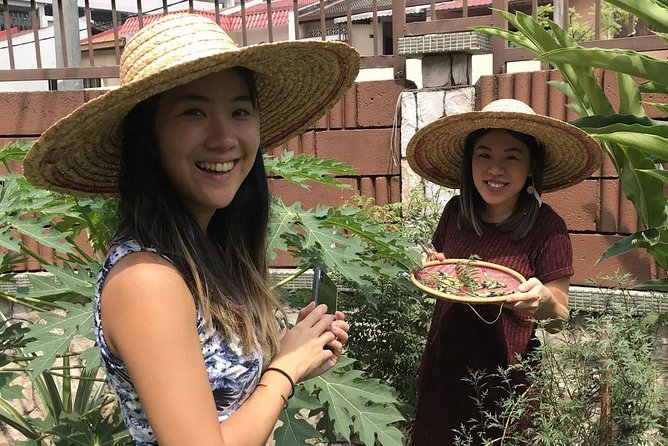
The garden tour is not filler. More than 50 herbs, spices, flowers, and fruit are grown for everyday cooking, and Sara uses the space to connect ingredients to the food you will prepare. You can see, touch, smell, and taste plants including turmeric and curry leaves.
That hands-on introduction is useful because many Malaysian ingredients are easy to recognize only after you have encountered them fresh. A packaged curry paste or dried spice tells you little about the plant itself. Seeing a curry leaf plant or handling fresh turmeric gives you a better sense of its scent, texture, and place in local cooking.
The garden also helps explain why Malaysian food can taste so layered. Fresh leaves, roots, flowers, and spices do different jobs, and the class gives you a chance to notice those differences before they are mixed into a dish.
There is one practical limit. The information provided does not promise a particular set of plants or a specific harvest on your date. The garden is best understood as an introduction to the ingredients used in Malaysian kitchens, not as a formal botanical tour.
Preparing five Malaysian dishes from the ground up
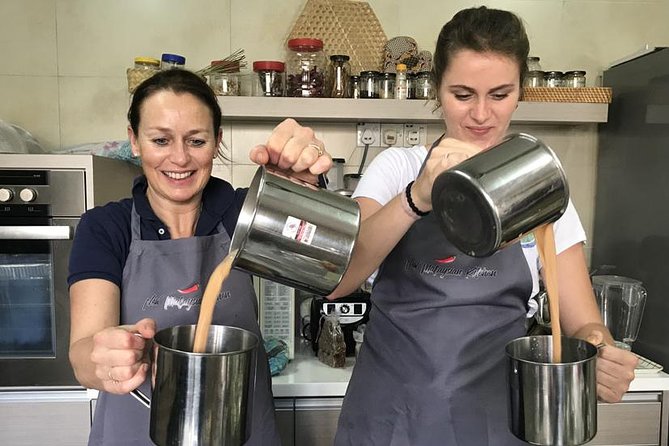
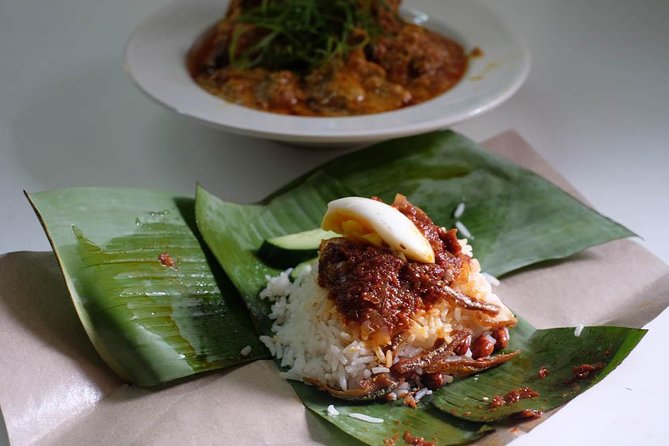
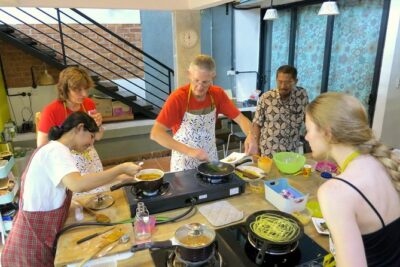
The central activity is hands-on cooking. You prepare five Malaysian dishes of your choice in the family kitchen, then eat what you make. The exact selection can vary, but dishes described by past participants include four-angled bean salad, nasi lemak, chicken rendang, teh tarik, and ondeh-ondeh.
That range gives you more than one type of lesson. Nasi lemak introduces a well-known Malaysian rice dish and its accompanying flavors. Chicken rendang shows how a dish develops through spices and slow cooking. Teh tarik brings a drink into the class, while ondeh-ondeh adds a sweet finish.
The phrase of your choice is important, but you should not read it as an unlimited restaurant menu. The available dishes may depend on the group, the ingredients, and the class plan. If you have a must-cook dish, ask about it when booking or after confirmation.
I like the format because you do not simply stand behind Sara and watch. You work through ingredient selection and preparation, with Sara guiding each stage. This is especially helpful if you cook Malaysian food rarely or have limited kitchen experience. Clear explanations and patient instruction can turn unfamiliar recipes into manageable steps.
The class also suits more confident home cooks. You can ask why a certain ingredient is used, how a recipe might change at home, or what to substitute when Malaysian produce is hard to find. Since Sara has written cookbooks, the instruction is designed to continue beyond the morning.
The small group makes a real difference here. With a maximum of six people, Sara can give one-to-one attention instead of racing through a fixed presentation. You have more room to ask questions, watch a technique closely, and get help when a recipe takes an unexpected turn.
Still, this is a group class, not a private lesson. Your pace will partly depend on the other people in the room, and the number of people choosing each dish could affect how much time you spend on an individual recipe.
Eating the food you prepared with a Malaysian family
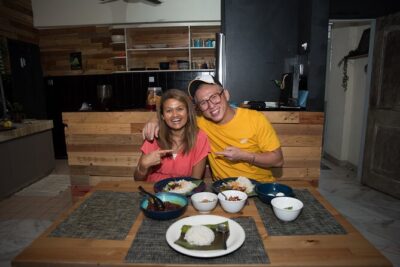
When the cooking is finished, you sit down and eat together. This is not just a reward for completing the recipes. The meal gives you a chance to taste the balance of the dishes after the work is done and to compare your results with the techniques Sara taught.
The shared table is also the cultural part of the morning. You can chat with Sara and her family about Malaysian food, culture, and lifestyle. That conversation may be as useful as the recipes because it places the dishes in an everyday home setting rather than presenting them as isolated tourist specialties.
Cooking in an actual family home gives the meal a warmth that a commercial cooking studio may not offer. You see where the food is prepared and meet the people who run the class. At the same time, anyone looking for a formal restaurant-style setting should know that the home environment is part of the point. It may feel informal and close-knit rather than polished.
The class is particularly well suited to couples, friends, and families who want to do something together. One group described making dishes with a young daughter, while another included several generations of one family. The six-person cap helps keep the setting social without turning it into a crowd.
More workshops in Kuala Lumpur:
- Batu Caves and Sari Experience with Batik Workshop
★ 5.0 · 181 reviews - Batik Coloring Workshop by myBatik
★ 5.0 · 48 reviews - Batik Bag Painting Workshop by myBatik
★ 5.0 · 35 reviews - Malaysian Hands-On Cooking Class : Masala Medley
★ 5.0 · 24 reviews
What you take home besides a full stomach
You receive a recipe booklet after the class. That changes the value of the activity. You are not left with only a few food memories and a photograph of lunch. You have written instructions to help you prepare the dishes for family and friends at home.
The booklet is most useful if you pay close attention during the class and make notes about ingredients that may vary by country. Malaysian recipes can depend on fresh herbs, spice pastes, coconut, beans, rice, and other products that may not be stocked in every supermarket.
I would treat the booklet as a practical starting point rather than a complete substitute for the class. The real advantage is seeing the preparation, asking questions, tasting the food, and learning how the ingredients look and smell before they are cooked.
The class can also help you decide which Malaysian dishes you want to seek out during the rest of your stay. After learning how nasi lemak or rendang is assembled, you may notice details on restaurant menus that would otherwise pass you by.
Is $150 a fair price for four hours?
At $150 per person, this is not a budget Kuala Lumpur food activity. You can eat very well in Malaysia for far less, so the price should be judged against the teaching and access rather than the meal alone.
You are paying for roughly four hours with a professional cook and cookbook author, a tour of an organic edible garden, hands-on preparation of five dishes, a shared meal, a recipe booklet, and a group capped at six. You also get access to a family home and direct conversation about Malaysian food and lifestyle.
That package offers good value if you want lasting cooking skills and a personal encounter with local food culture. It is less attractive if your main goal is simply to sample inexpensive Malaysian dishes or watch someone cook. In that case, a food tour or market visit may give you more variety for less money.
A useful way to judge the cost is to ask what you want to bring home. If the answer is recipes you can repeat, a better understanding of Malaysian ingredients, and a small-group morning with personal instruction, the price is easier to justify. If you have little interest in cooking, you may not get enough from the class to make the splurge worthwhile.
The class is often booked about 32 days ahead on average. That suggests you should not leave it until the final morning of your Kuala Lumpur stay, especially since weekday sessions are limited to the 9:00 a.m. to 1:00 p.m. window.
Who will get the most from this cooking class?
I would recommend New Malaysian Kitchen to anyone who likes to learn by doing. You do not need to be an experienced cook. Patient instruction and a small group make it suitable for beginners, while the range of dishes and access to Sara’s experience give more capable home cooks plenty to ask about.
It is also a good match for people who want a local setting instead of a hotel activity. The family home, garden, and shared meal provide contact with daily Malaysian food culture without requiring you to spend a full day outside Kuala Lumpur.
Families and small groups should pay attention to the six-person limit. It keeps the class manageable, but larger parties may not all fit in one session. Couples should also note that this is a social class with other participants, not automatically a private booking.
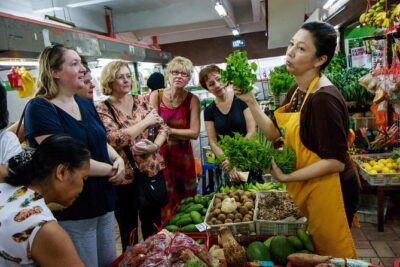
You may want to choose another activity if you dislike morning schedules, prefer restaurant dining to kitchen work, or want a market tour as a standard part of the program. One past class did include a wet market visit, but the core details here describe the garden and home cooking class, so do not assume the market visit is included in every booking.
Practical details before you book
Confirmation is sent within 48 hours of booking, subject to availability. The experience accepts mobile tickets, which is handy for a morning activity, but you still need to reach the meeting point at No. 2, Jalan 11, Taman Len Seng.
The class operates Monday through Friday from 9:00 a.m. to 1:00 p.m. The total duration is about four hours, and the activity returns to the same meeting point.
The maximum group size is six people. That is one of the strongest reasons to book this class instead of a large hotel workshop, but it also means popular dates can fill early.
Free cancellation is available if you cancel at least 24 hours before the local start time. Cancellations made less than 24 hours before the start, along with changes during that period, are not refunded or accepted.
Should you book New Malaysian Kitchen?
Book it if you want to cook, not just eat. The combination of Sara Khong’s professional instruction, a garden with more than 50 edible plants, five hands-on dishes, and a meal with her family gives you a useful window into Malaysian home cooking.
The cost is high for Kuala Lumpur, and the four-hour class will not suit everyone. But if you value personal teaching, a group of no more than six, and recipes you can use after your trip, this is a strong choice. Schedule it early in your stay if you want food guidance for the rest of your visit, and confirm any must-cook dishes before you arrive.
FAQ
Where does the cooking class take place?
The class takes place at New Malaysian Kitchen, No. 2, Jalan 11, Taman Len Seng, 56000 Kuala Lumpur, Malaysia.
How long does the activity last?
The class lasts approximately four hours, from 9:00 a.m. to 1:00 p.m.
On which days does the class operate?
The activity operates Monday through Friday.
How many people can join the class?
The maximum group size is six people.
Who teaches the cooking class?
Sara Khong teaches the class. She is a professional cook and author of four Malaysian cookbooks. Her mother may also take part in the family-home cooking experience.
How many dishes will I prepare?
You will prepare five Malaysian dishes of your choice. Examples associated with the class include nasi lemak, chicken rendang, four-angled bean salad, teh tarik, and ondeh-ondeh.
Is the garden tour included?
Yes. The morning begins with flower tea and a tour of an organic edible garden containing more than 50 herbs, spices, and flowers used in cooking.
Can I cancel for a full refund?
Yes, if you cancel at least 24 hours before the experience start time. Cancellations or changes made less than 24 hours before the start are not refunded or accepted.
More tours in Kuala Lumpur we've reviewed
- Batu Caves & Putrajaya Highlights: Landmarks & Botanical Garden★ 4.5 · 3 reviews
- AVANI Sepang Goldcoast Resort Hotel TO Kuala Lumpur Hotel Door to Door Transfer★ 4.5 · 3 reviews
- KL Cruise Excursions from Port Klang for KL City Tour★ 4.5 · 3 reviews
- Private Kuala Lumpur City Tour with KL Tower & Batu Caves★ 5.0 · 3 reviews
- Fireflies & Silver Leaf monkey Tour With Free Batu Caves Temple★ 5.0 · 3 reviews
- Exclusive Malacca Private Tour★ 5.0 · 3 reviews
- Fireflies and Kuala Selangor Tour Including Dinner★ 3.5 · 3 reviews
- Private Batu Caves & Petronas Twin Tower Tickets With Lunch *26*★ 5.0 · 3 reviews
Cooking Classes, compared.
Market Visit & Private Hands-on Cooking Class at Daun Senja
Read our review →
Malaysian Hands-On Cooking Class : Masala Medley
Read our review →
Traditional Malaysian Cooking Class with Market Tour
Read our review →Browse the lists this tour appears in