
Reviewed · COOKING CLASSES
Malaysia Cooking Classes With Local
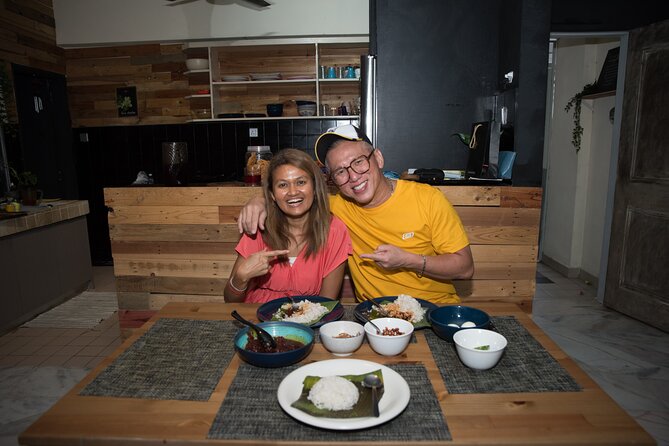
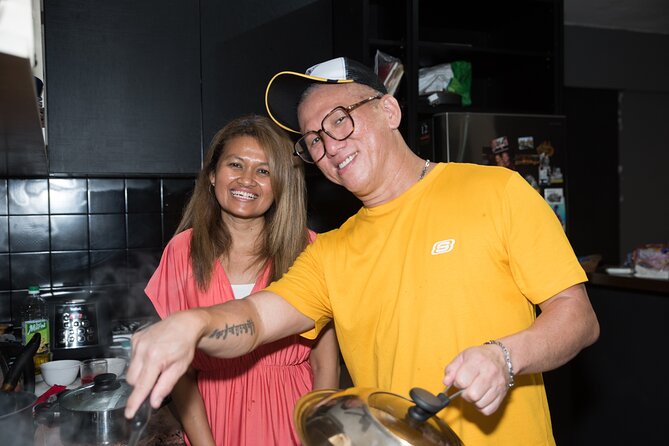
Malaysia Cooking Classes With Local puts you in Fizah’s home kitchen, where the lesson centers on Nasi Lemak, Malaysia’s beloved coconut rice dish. You prepare the rice, sambal, peanuts, anchovies, eggs, and a local dessert, then sit down to eat what you made.
I like the personal scale, often around four people, and the chance to ask questions while you work. I also like the family connection: Fizah shares cooking tips passed down by her mother, not just a fixed list of instructions. The main consideration is that you do not get a fully separate cooking station, so some cooking is shared after everyone has prepared ingredients.
In This Review
- Key points to know before booking
- Why Nasi Lemak makes a good first Malaysian cooking lesson
- Arriving at Awana Puri Condominium
- Starting with ingredients and family cooking tips
- Preparing the coconut rice and sambal
- Preparing peanuts, anchovies, eggs, and dessert
- How hands-on is the cooking?
- Sitting down to eat what you made
- What the $59.99 price delivers
- Who will enjoy this class most?
- Booking, age rules, and cancellation
- Should you book Malaysia Cooking Classes With Local?
- FAQ
- Where does the cooking class take place?
- How long does the experience last?
- What will I learn to cook?
- Is the class private?
- How many people can join?
- Are children allowed?
- Do I receive the recipes?
- Can I cancel for a full refund?
Key points to know before booking
- Cook Nasi Lemak from start to finish: Prepare coconut rice, sambal, eggs, peanuts, anchovies, and the final plate.
- Learn in Fizah’s Kuala Lumpur home: This is a private home-based activity rather than a large commercial school.
- A dessert is included: The class pairs the main dish with a local sweet, though the exact dessert may vary.
- Small groups keep it personal: The usual setup is for up to four people, with one reported group of five accommodated.
- Recipes go home with you: You receive the instructions needed to try the dishes again after your trip.
- Allow about three hours: The pace includes preparation, cooking, conversation, and sitting down to eat.
Why Nasi Lemak makes a good first Malaysian cooking lesson
Nasi Lemak is a smart choice for a short introduction to Malaysian food because one plate brings several flavors and textures together. The rice is cooked with coconut milk, while sambal supplies heat and sweetness. Peanuts and anchovies add crunch and salt, and egg helps round out the meal.
That combination gives you more than one technique to practice. You learn how to handle rice, make a chili paste, prepare side dishes, and think about how separate items work together on one plate. For a home cook, that is more useful than spending three hours on a single complicated dish.
Fizah also explains the cultural meaning of Nasi Lemak and why it is treated as Malaysia’s national dish. The lesson is therefore not only about following a recipe. It gives you a better idea of how an everyday Malaysian meal is built and why the dish matters locally.
The advertised class focuses on Nasi Lemak and a local dessert. Past menus have also included dishes such as laksa, Mee Goreng, Kuih Gula Melaka, and Kuih Ketayap. Fizah has contacted participants before class to discuss several choices, so it is worth asking what is available when you book. Do not assume every alternative appears at every session.
More cooking classes in Kuala Lumpur:
- LaZat Malaysian Cooking Class
★ 5.0 · 87 reviews - New Malaysian Kitchen Cooking Class and Garden Tour
★ 5.0 · 54 reviews - Market Visit & Private Hands-on Cooking Class at Daun Senja
★ 5.0 · 51 reviews
Arriving at Awana Puri Condominium
The meeting point is Awana Puri Condominium on Jalan 15/119 in Taman Mutiara Barat, Kuala Lumpur. The activity starts and ends there, and the location is described as being near public transportation.
This detail matters because a home cooking lesson works differently from a restaurant class. You are not meeting at a central attraction or a purpose-built studio. You are visiting a residential home, so allow enough time to find the correct building and arrive without rushing.
The mobile ticket is practical for a phone-based booking, and confirmation is provided at the time of booking. Since the activity is private, only your group participates. That gives you a better chance to ask about ingredients, spice levels, and cooking methods than you would get in a large class.
The home setting is also part of the experience. You get a look at a normal domestic environment rather than a polished culinary showroom. That can feel more relaxed, but it also means the setup is likely to be compact and informal. If you prefer a professional kitchen with gleaming counters and an individual workstation, this may not be your ideal format.
Starting with ingredients and family cooking tips
Fizah guides you through ingredient selection before the cooking begins. The lesson covers the components needed for the rice, sambal, and accompaniments, with attention to how each item contributes to the finished plate.
A useful part of this stage is the explanation of technique. The class is designed for beginners, but experienced cooks can still ask about adapting the recipe. You can discuss spice levels and make changes to suit your taste, which is helpful if you want to recreate the meal in a kitchen outside Malaysia.
Fizah often links practical steps to advice from her mother. That kind of instruction can be especially useful in Malay cooking, where small habits can affect the final flavor. You may learn not only what to do, but also how a home cook judges whether something is ready.
The atmosphere is intended to be conversational. Several accounts describe long chats during cooking, with Fizah also offering suggestions about places to visit in Malaysia. This is a bonus rather than the formal focus, but it adds local context to the afternoon.
Preparing the coconut rice and sambal
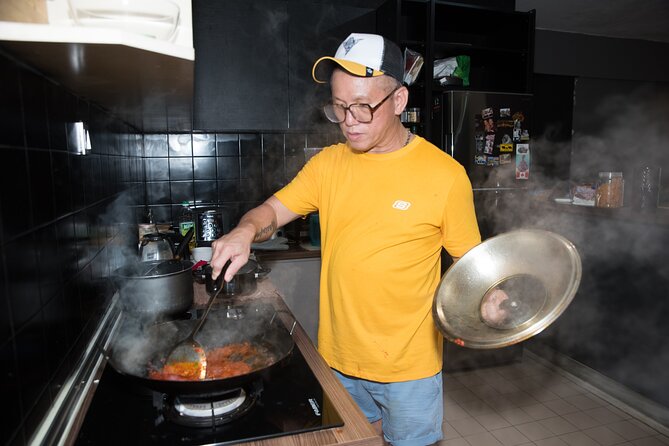
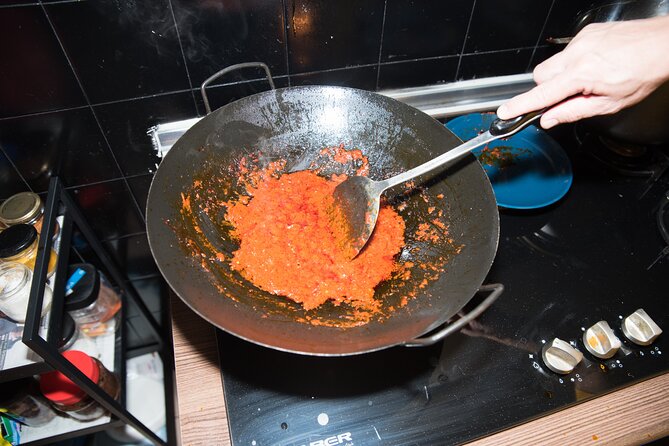
The hands-on work begins with the key elements of the Nasi Lemak plate. You prepare the rice with coconut milk and work on the sambal, the spicy chili paste that gives the dish much of its character.
The rice is more than a plain side dish. Its fragrance and creamy quality need to balance the sharper sambal and salty accompaniments. Fizah’s guidance helps you see how the parts fit together instead of treating each item as a separate recipe.
Sambal can be the most valuable lesson for home cooks. It is easy to think of chili paste as simply hot, but a good sambal needs balance. You can ask how to adjust the heat and how to adapt the recipe to your own preferences.
The class is not designed around speed. While items cook, you have time to talk and ask questions. That slower rhythm makes the session feel like cooking with a friend, though it may disappoint anyone expecting constant action at a personal burner.
More workshops in Kuala Lumpur:
- Batu Caves and Sari Experience with Batik Workshop
★ 5.0 · 181 reviews - Batik Coloring Workshop by myBatik
★ 5.0 · 48 reviews - Batik Bag Painting Workshop by myBatik
★ 5.0 · 35 reviews - Malaysian Hands-On Cooking Class : Masala Medley
★ 5.0 · 24 reviews
Preparing peanuts, anchovies, eggs, and dessert
The classic accompaniments complete the Nasi Lemak plate. You prepare peanuts, anchovies, and eggs, then learn how these simple items provide salt, crunch, richness, and contrast.
This is where the class teaches good meal planning. Some parts need attention early, while others can be prepared while the rice or sambal is cooking. You get a practical sense of timing and presentation, not just a list of ingredients.
The dessert adds another style of Malaysian cooking to the session. The advertised information calls it a local dessert, while different classes have included sweets such as Kuih Gula Melaka and Kuih Ketayap. These examples show the range of possible menus, but you should confirm the dessert selection before arriving if that matters to you.
For families, the dessert is a useful addition because it gives younger participants another task and makes the final meal feel complete. Children under 12 are not allowed, so this activity is aimed at older children and adults. One family found the class engaging enough that the children were keen to recreate the recipes at home.
How hands-on is the cooking?
The class is genuinely participatory, but the setup has limits. You have your own place to cut and prepare ingredients, while some of the cooking is shared. You will not necessarily have a separate stove and full workstation for every person.
That arrangement is common in a home kitchen and can work well for couples or small groups. You get to handle the ingredients and complete the important steps, while Fizah keeps an eye on the cooking and helps prevent mistakes. It also creates a more social setting.
If you want a class where each person cooks an entire dish independently, ask about the format before booking. Here, the emphasis is on learning together and producing one shared meal. The advantage is more guidance. The trade-off is less individual control.
Fizah’s teaching style appears patient and clear. You can ask questions as you go and receive personal feedback. Beginners should find the format approachable, while experienced cooks may appreciate the chance to compare methods and learn how these dishes are handled in a Malaysian home.
Sitting down to eat what you made
After the cooking, you eat the finished meal at the home. This shared table is an important part of the experience, since you can taste the balance of rice, sambal, peanuts, anchovies, eggs, and dessert while the lesson is still fresh.
It also gives you time to talk with Fizah and, at times, her partner Roman. Past participants have received advice about places to see in Malaysia during this relaxed part of the visit. That makes the meal feel less like the end of a class and more like an informal local welcome.
The food is not prepared for you in advance and served as a demonstration. You have a direct connection to the final plate because you helped make it. That is the strongest reason to choose a home cooking class over simply ordering Nasi Lemak at a restaurant.
A few practical points are worth noting. The meal may be filling, and the three-hour duration includes both cooking and eating. If you have allergies or dietary concerns, tell Fizah before the class. She has accommodated allergies in the past, but no cooking activity should be booked on the assumption that every ingredient can be changed without advance discussion.
What the $59.99 price delivers
At $59.99 per person, this class costs more than a plate of Nasi Lemak from a local food stall. That comparison is not quite fair, since the fee covers instruction, ingredients, a dessert, a private session, and time in a local home.
The value is strongest for couples, families with older children, and small groups who want an activity with conversation built in. You are paying for access to a person and a home kitchen, not just for food. The recipes and techniques also give the experience a useful afterlife once you return home.
The price is less attractive if you mainly want to eat Malaysian food cheaply or watch someone else cook. Kuala Lumpur offers many affordable meals, and a standard restaurant visit will take less time. This class makes sense when learning and personal contact matter as much as the meal.
With 10 or more bookings in the previous month and a 99 percent recommendation rate, the activity has clear demand. The rating is based on 87 reviews, but you should still match the format to your expectations. The small home setup is a feature for some people and a limitation for others.
Who will enjoy this class most?
I would choose this class if you want a friendly introduction to Malay cooking and prefer participation over a formal demonstration. It suits people who like asking questions, trying unfamiliar ingredients, and eating in a private home.
It is particularly well suited to:
- Couples looking for a relaxed Kuala Lumpur activity
- Families with children aged 12 or older
- Beginners who want patient, step-by-step help
- Experienced cooks interested in home methods and family recipes
- Food lovers who want recipes they can use after the trip
You may want another option if you need a fully accessible professional kitchen, a private workstation for each participant, or a tightly timed lesson with no social conversation. Those features are not promised here.
The class is also a good fit for visitors who want local advice. Fizah has shared suggestions about places to visit, and the informal conversation can add useful context to the rest of your stay. Treat that as a welcome extra, not a guaranteed guided city tour.
Booking, age rules, and cancellation
The experience lasts about three hours and accepts participants aged 12 and above. It is a private activity, so your group will not be combined with unrelated participants.
Free cancellation is available if you cancel at least 24 hours before the local start time. Cancellations or changes made within 24 hours are not accepted for a refund. If you have food allergies, menu preferences, or hopes of cooking a dish other than Nasi Lemak, contact Fizah before the session rather than waiting until you arrive.
Should you book Malaysia Cooking Classes With Local?
Book it if you want to cook in a real Kuala Lumpur home, learn a Malaysian dish you can repeat, and spend part of the day talking with a local host. The strongest features are Fizah’s warm teaching style, the family cooking tips, the small private setting, and the shared meal at the end.
Think twice if you want a commercial cooking school, individual cooking stations, or a central city meeting point. The home setting is informal, and some cooking is shared.
For most food-focused visitors, the $59.99 fee is reasonable because it covers an actual lesson rather than a meal alone. Ask about the current dessert and menu options, mention any allergies early, and arrive ready to participate. If that sounds like your kind of Kuala Lumpur afternoon, this is an easy class to recommend.
FAQ
Where does the cooking class take place?
The class takes place at Awana Puri Condominium, Jalan 15/119, Taman Mutiara Barat, 56000 Kuala Lumpur, Malaysia.
How long does the experience last?
The activity lasts approximately three hours, including preparation, cooking, conversation, and eating the finished meal.
What will I learn to cook?
The advertised class teaches Nasi Lemak, including coconut rice, sambal, peanuts, anchovies, and eggs. A local dessert is also included.
Is the class private?
Yes. Only your group participates in the activity.
How many people can join?
The usual group size is described as up to four people. One group of five was accommodated, so ask about the maximum when booking if your party is larger than four.
Are children allowed?
Children under 12 years old are not permitted. Participants must be at least 12.
Do I receive the recipes?
Yes. You receive the recipes so you can prepare the dishes again at home.
Can I cancel for a full refund?
Yes, if you cancel at least 24 hours before the experience start time. Cancellations or changes made less than 24 hours in advance are not accepted for a refund.
More tours in Kuala Lumpur we've reviewed
- Batu Caves & Putrajaya Highlights: Landmarks & Botanical Garden★ 4.5 · 3 reviews
- AVANI Sepang Goldcoast Resort Hotel TO Kuala Lumpur Hotel Door to Door Transfer★ 4.5 · 3 reviews
- KL Cruise Excursions from Port Klang for KL City Tour★ 4.5 · 3 reviews
- Fireflies & Silver Leaf monkey Tour With Free Batu Caves Temple★ 5.0 · 3 reviews
- Private Kuala Lumpur City Tour with KL Tower & Batu Caves★ 5.0 · 3 reviews
- Exclusive Malacca Private Tour★ 5.0 · 3 reviews
- Fireflies and Kuala Selangor Tour Including Dinner★ 3.5 · 3 reviews
- Private Batu Caves & Petronas Twin Tower Tickets With Lunch *26*★ 5.0 · 3 reviews
Cooking Classes, compared.

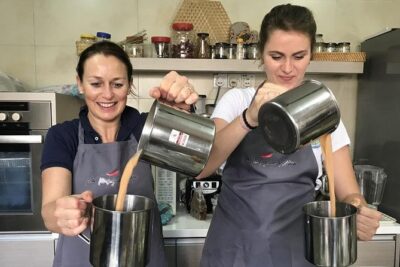
New Malaysian Kitchen Cooking Class and Garden Tour
Read our review →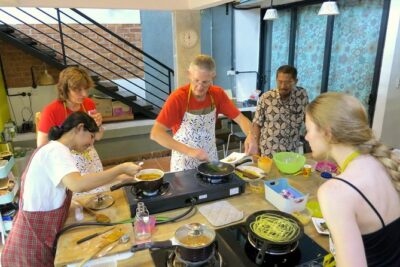
Market Visit & Private Hands-on Cooking Class at Daun Senja
Read our review →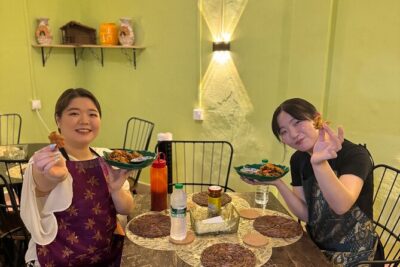
Malaysian Hands-On Cooking Class : Masala Medley
Read our review →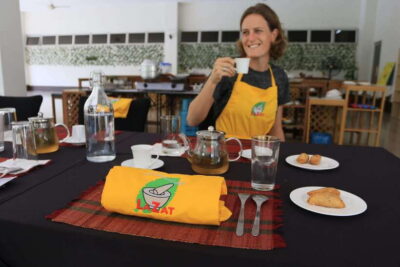
Traditional Malaysian Cooking Class with Market Tour
Read our review →Browse the lists this tour appears in