
Reviewed · FOOD & DRINK
Kuala Lumpur: Sambal Street Food Tour with 15+ Tastings
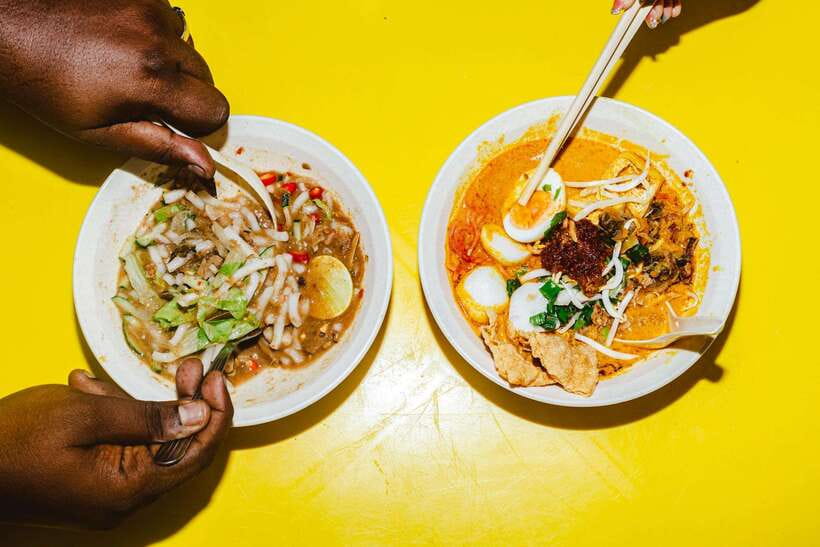
Kuala Lumpur’s best food lesson may happen beside a market counter, not in a polished restaurant. This four-hour walk takes you through local eating spots in Chow Kit and Kampung Baru, with 15-plus tastings ranging from nasi lemak and satay to durian cendol and banana-leaf grilled mackerel.
I like the small eight-person limit, which lets guides such as Kiran, Nadia, Ian, Sam, and Steve adjust the pace and spice levels. I also like the route’s local feel: you walk through one of KL’s remaining traditional neighborhoods and eat where local residents eat, rather than spending the evening around the city’s famous tourist stops.
The main catch is simple: there may be too much food. You should arrive genuinely hungry, and vegetarians, vegans, and people with severe food allergies will find this tour a poor match because there are few alternatives.
In This Review
- Key points to know before booking
- A food tour that treats Kuala Lumpur as a dining room
- Starting at the Hilton Garden Inn South
- The market walk explains what goes into Malaysian cooking
- Roti canai gives you a hands-on lesson
- Nasi lemak, rendang, and satay cover the classics
- Sambal and grilled mackerel bring the heat
- Noodles, curry, and local drinks keep the menu moving
- The walking is part of the meal
- Why the eight-person limit matters
- Practical value at $53 per person
- Who should book this Kuala Lumpur food walk?
- Should you book the Sambal Street Food Tour?
- FAQ
- How long does the Kuala Lumpur food tour last?
- How many tastings are included?
- Where does the tour meet?
- Is the tour suitable for vegetarians or vegans?
- Can the tour support dietary restrictions?
- What should you bring?
Key points to know before booking
- 15-plus tastings: Expect a serious four-hour meal, not a few sample bites.
- Chow Kit and Kampung Baru: The walk brings you into traditional parts of Kuala Lumpur that are easy to miss on a standard sightseeing visit.
- Local Malaysian guides: Guides including Kiran, Nadia, Ian, Sam, Sean, Steve, and Jay explain dishes, ingredients, customs, and city history.
- A broad menu: Try roti canai, rendang, nasi lemak, satay, grilled fish, curry laksa, mama mee, cendol, durian, seasonal fruit, and more.
- Small group format: The cap of eight makes it easier to ask questions and manage different spice tolerances.
- Rain-or-shine planning: Wear comfortable shoes and carry an umbrella or rain gear.
A food tour that treats Kuala Lumpur as a dining room
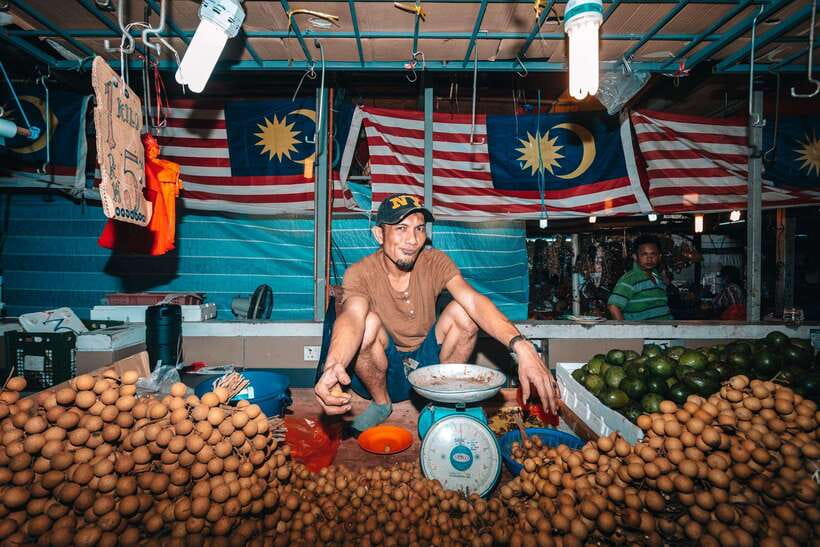
The strength of this experience is its range. Malaysian food is shaped by Malay, Chinese, Indian, and other cultural traditions, and the tour uses that mix as its organizing idea. You do not simply eat one famous dish after another. You learn how ingredients, cooking methods, and local customs connect.
The route also gives you a look at Kuala Lumpur beyond its towers and shopping malls. Chow Kit and Kampung Baru offer a more traditional side of the capital, with market stalls, neighborhood eateries, and streets where food remains part of daily life.
I would book this early in your Kuala Lumpur stay. The tour helps you recognize dishes and ingredients for the rest of your trip. After four hours of guided tasting, you will have a better idea of what to order when you later face a long menu on your own.
The experience costs $53 per person. That is not the cheapest way to eat in Malaysia, where individual dishes can be inexpensive. But the price covers more than food. You are paying for 15 or more tastings, bottled water, a local guide, coordination between several stops, cultural background, and a route you might struggle to recreate by yourself.
A self-guided evening could cost far less, but you would need to know where to go, what to order, how much to share, and how to tell one dish from another. For first-time visitors, the tour’s value lies in removing that guesswork.
More food tours in Kuala Lumpur:
- Sambal Streets Kuala Lumpur Food Tour with 15+ Tastings
★ 5.0 · 2,438 reviews - The 10 Tastings of Kuala Lumpur With Locals: Private Street Food Tour
★ 5.0 · 249 reviews - Kuala Lumpur Local Street Food Private Walking Tour by Night
★ 4.5 · 224 reviews
Starting at the Hilton Garden Inn South
The meeting point is outside the entrance of the Hilton Garden Inn South, at the corner of Jalan Raja Alang and Jalan Tuanku Abdul Rahman. Pay attention to the word South, since the hotel name may be easy to confuse with another Hilton Garden Inn location.
From there, your guide leads the group toward local food stops and market areas. The tour is conducted in English, and guides introduce themselves before checking dietary needs and spice tolerance.
That early conversation matters. Malaysian food can include chilies, shrimp paste, fish products, coconut, dairy, and meat in ways that are not always obvious to a first-time diner. Ian was praised for checking the seriousness of allergies and food intolerances, while Kiran adjusted dishes for people who could not handle much heat.
Still, do not treat the dietary check as a guarantee that every restriction can be solved. The operator specifically says that vegetarians, vegans, and people with severe food allergies should not book because few alternatives are available at the stops. Lactose intolerance and some other diets can be supported if you explain your needs when booking.
The market walk explains what goes into Malaysian cooking
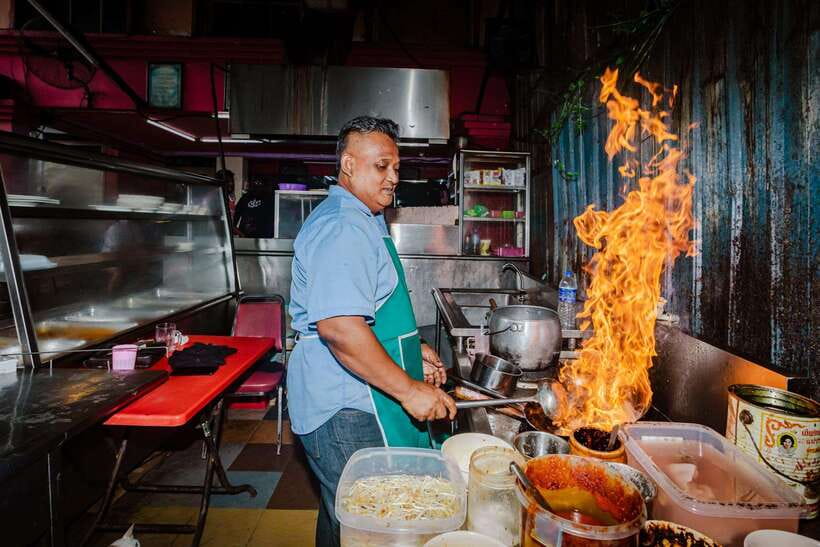
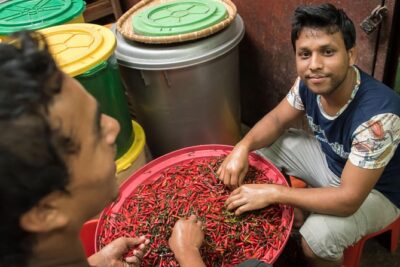
One of the most useful parts of the evening comes before the main eating begins. Your guide takes you through a local market or food area and points out produce, spices, and other ingredients used in Malaysian cooking.
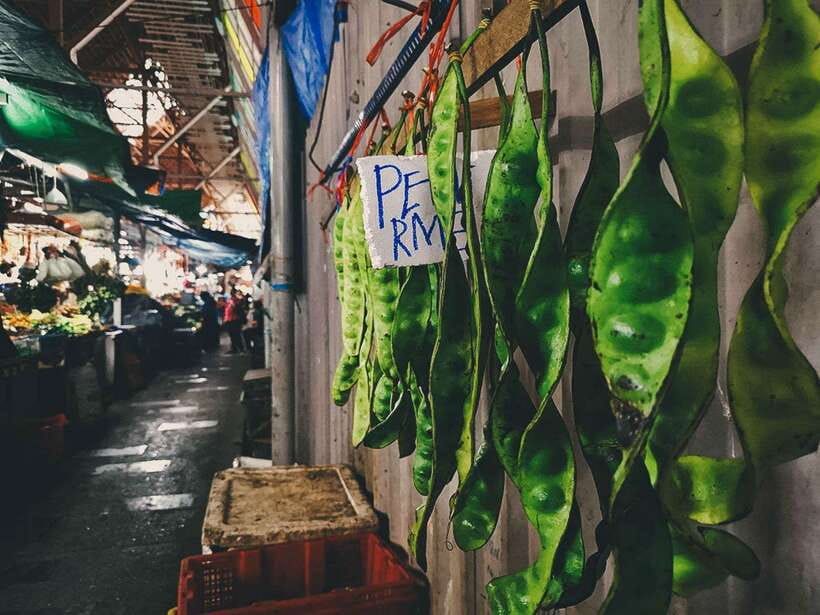
This gives the meal context. Instead of seeing sambal as just a hot red condiment, you start to understand how it changes fish, rice, noodles, and grilled dishes. You also get a look at ingredients that may be unfamiliar, which makes later shopping and ordering less intimidating.
The market visit also helps connect food with place. You are not hearing a general lecture about Malaysia in a hotel lounge. You are learning while standing among the ingredients and stalls that supply ordinary meals.
Guides bring different personalities to this section. Nadia has been praised for explaining the history of ingredients and cooking with patience, while Steve and Sean have been noted for adding information about Malaysian landmarks, culture, and local life as the group walks.
The route can be lively and noisy. Market areas and roadside eateries are not quiet classrooms, and one participant found it occasionally difficult to hear answers over background noise. If you have trouble catching a guide’s explanation, move closer before the group settles at the next stop.
Roti canai gives you a hands-on lesson
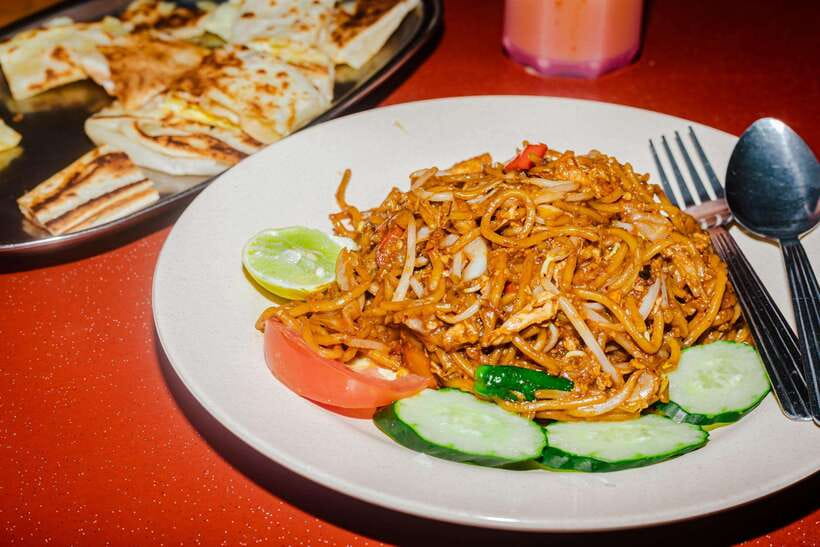
Roti canai is one of the tour’s most entertaining food moments. This Indian-influenced Malaysian flatbread is stretched and folded before being cooked, then served with curry or another savory accompaniment.
The tour may give you a chance to try flipping or stretching the roti yourself. This is not just a photo opportunity. It shows how a simple-looking bread depends on technique, timing, and plenty of practice.
You will likely eat the roti with curries, which makes it a good introduction to the balance of crisp bread, soft interior, spice, and sauce. If you are new to Malaysian food, this may be one of the easiest dishes to enjoy because you can control how much curry you take with each piece.
The stop also demonstrates the tour’s wider approach. You are not only handed food and told its name. You get some understanding of how it is prepared and why it belongs to Malaysia’s mixed food culture.
A few more tours around Kuala Lumpur worth comparing
- Kuala Lumpur: Batu Caves Half-Day Tour with Pick-Up Option
★ 4.5 · 4,288 reviews - Private Half-Day Batu Caves and Cutural Tour in Kuala Lumpur
★ 5.0 · 3,107 reviews - From Kuala Lumpur: Historical Melaka Day Tour with Lunch
★ 4.4 · 2,297 reviews - Historical Malacca Guided Day Tour (Shared Tour)
★ 5.0 · 2,172 reviews
Nasi lemak, rendang, and satay cover the classics
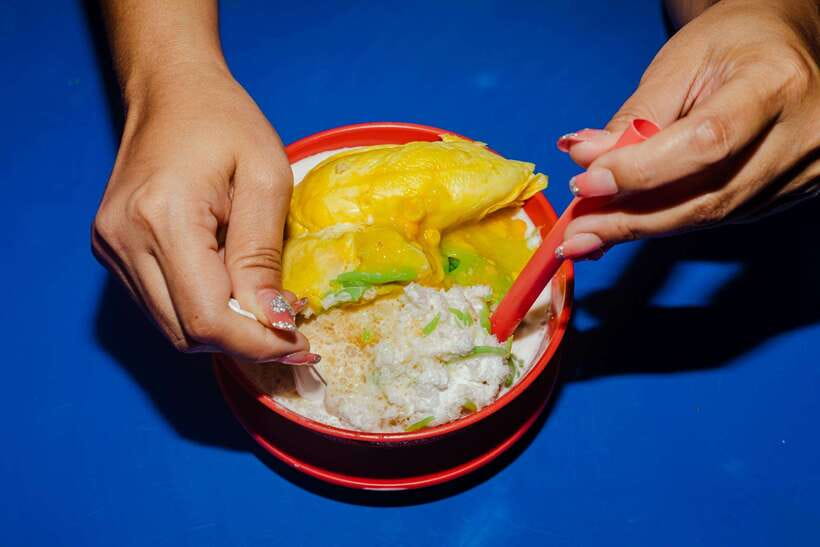
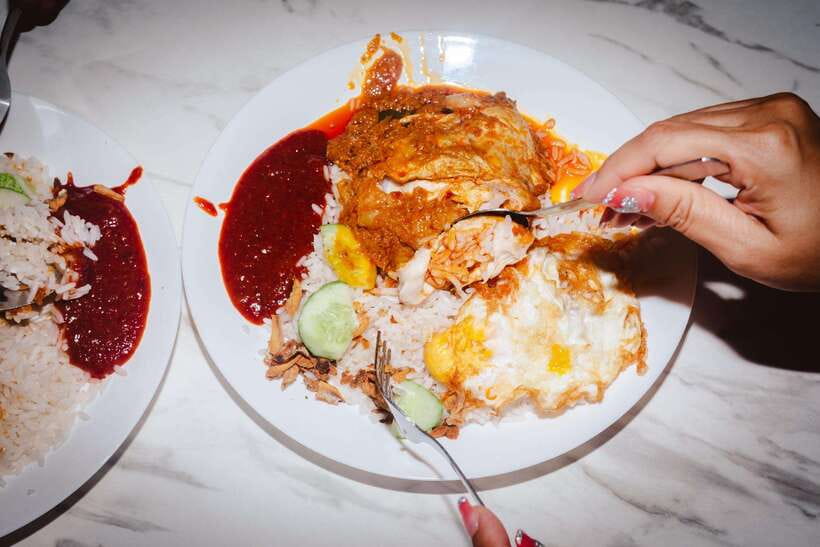
The tour includes several dishes that deserve a place on any first visit to Malaysia.
Nasi lemak is built around fragrant coconut rice and is commonly served with accompaniments such as sambal and other savory items. It gives you a useful taste of how rice, heat, salt, and side dishes work together in Malaysian food.
Rendang offers a slower, heavier style of cooking, with meat cooked in a strongly seasoned mixture until the flavors concentrate. It is a richer dish, so it is helpful to taste it alongside lighter or fresher items rather than eating a full serving by yourself.
Satay brings flame-grilled chicken skewers with peanut sauce. The smoky meat and sweet-savory sauce make this a natural crowd-pleaser, but it also shows how Malaysian street food often pairs grilled food with a powerful dipping sauce.
Portions are not merely symbolic. Several people found the food plentiful, and one participant felt there was so much to eat that finishing everything became difficult. The staff tries to limit waste by ordering smaller amounts first and adding more when needed, but you should still pace yourself.
My advice is to take small portions at each stop, even when something smells wonderful. There are many more dishes ahead, and the best way to enjoy the final tastings is to protect some room.
Sambal and grilled mackerel bring the heat
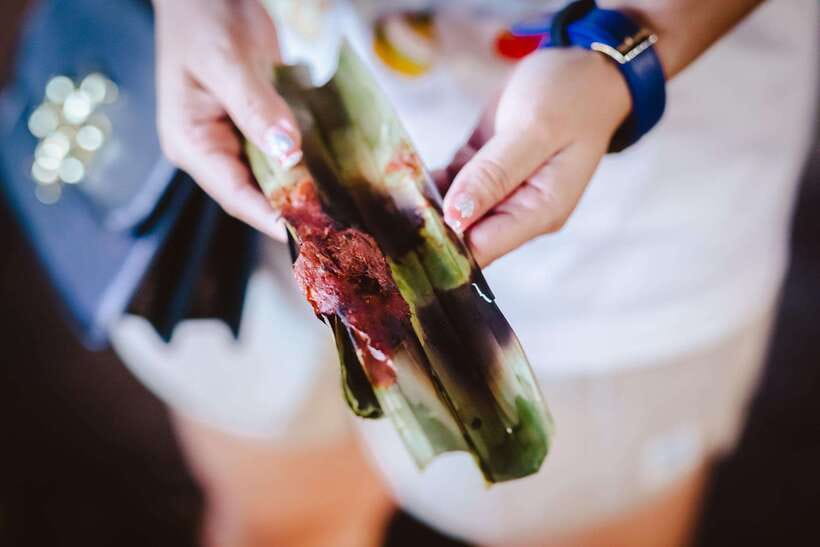
The banana-leaf grilled mackerel with sambal is one of the more distinctive tastings. Banana leaves help wrap or hold the fish while it cooks, and the sambal brings a strong chili-based kick.
This is the sort of dish that explains why the tour needs a guide. A local guide can tell you how much sambal to try, describe the ingredients, and help you adjust the portion if your tolerance is limited. Stephen was specifically praised for keeping an eye on spice levels and making sure people were comfortable.
The dish may be challenging if you dislike fish, chili, or pungent sauces. It is also a good example of why this is not a bland introductory food tour. You are encouraged to try unfamiliar flavors, but you are not expected to prove anything by eating more heat than you can manage.
Let your guide know early if you prefer mild food. You may be able to taste a dish without taking a full spoonful of sambal.
Noodles, curry, and local drinks keep the menu moving
The tastings can include curry laksa and mama mee, adding noodles and broth or sauce to the mix. These dishes give you a different texture from rice and grilled food, and they show how Chinese and Malay influences often meet in Kuala Lumpur’s kitchens.
The tour also includes drinks and fruit. Mango shake has been used as a refreshing finish, and seasonal fruit adds some relief after the heavier dishes. Cendol provides another change of pace, with its cool, sweet texture and shaved-ice style presentation.
Durian cendol is more adventurous. Durian has a strong aroma and a creamy, distinctive flavor that divides opinion. This is a good chance to try it in a small portion, with a guide able to explain what you are tasting. If you already know you dislike durian, you can ask about the alternative, but do not assume every stop can replace every dish.
The sequence matters. A well-paced tour moves between savory, spicy, sweet, grilled, and cooling foods rather than serving all the heavy dishes at once. Guides such as Kiran and Jay have been praised for keeping the evening relaxed and allowing time to eat without rushing.
The walking is part of the meal
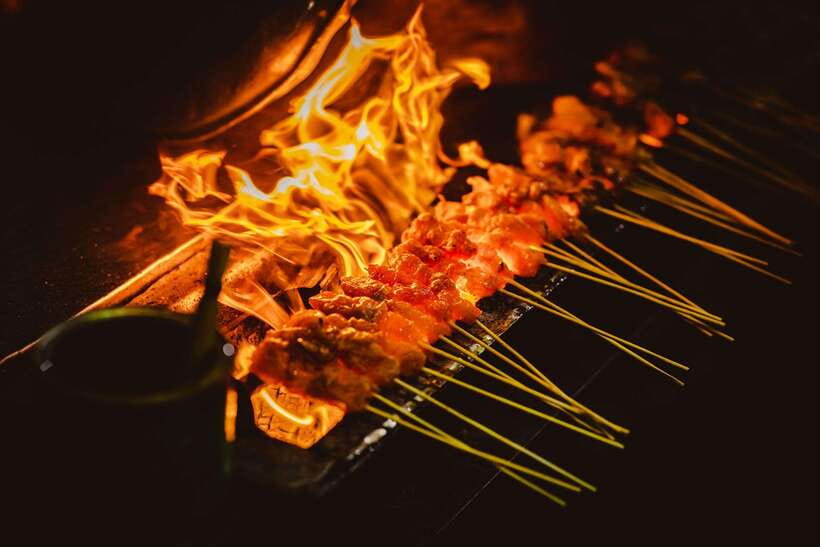
You spend much of the four hours walking between food stops. That helps make the large amount of food manageable, while giving you a better look at Chow Kit and Kampung Baru.
This is not a formal sightseeing tour with a long list of monuments. The local neighborhood is the main setting, and your guide adds city stories, food background, and cultural details as you move. You may also see landmarks along the way, but the focus remains on eating and understanding the area.
Comfortable shoes are essential. Kuala Lumpur’s weather can change quickly, and the tour runs rain or shine, so bring an umbrella and rain gear. The heat, humidity, walking, and food together can be tiring, especially if you arrive after a full day of sightseeing.
The four-hour length is useful because it gives the group time to settle into each stop. It also means you should not schedule a major dinner afterward. By the end, you are likely to be very full.
Why the eight-person limit matters
A food tour with eight people can still feel social without becoming unwieldy. You have a better chance of hearing the guide, asking questions, sharing plates, and moving through narrow neighborhood spaces without splitting into separate groups.
The small size also helps with personal adjustments. Kiran adapted dishes for different heat levels, and Sam arranged alternatives for a pescatarian participant. Those examples show the practical benefit of having a guide who can monitor the group rather than simply follow a fixed script.
The guide quality is central to the experience. Names that appear repeatedly across the current guide team include Kiran, Nadia, Ian, Sam, Sean, Steve, Stephen, and Jay. Your exact guide will depend on the date, but the best parts of the tour rely on that person’s food knowledge, timing, warmth, and ability to explain things in a noisy setting.
There is also a friendly social side. Solo visitors can join a small table and share the meal with people from different countries. The format encourages conversation because everyone is trying new dishes at the same time.
Practical value at $53 per person
At $53, this is a premium way to eat in Kuala Lumpur. You can certainly eat cheaply by visiting hawker stalls yourself. The question is not whether the food alone would cost $53. It almost certainly would not.
The better question is what you would pay for a planned route, 15-plus tastings, a local food interpreter, bottled water, and the confidence to order dishes you might otherwise ignore. For a short visit, the tour packs a lot into one evening.
It is especially good value if you are curious but cautious. You can sample small amounts instead of committing to a full plate, ask what an ingredient is, and learn how to recognize dishes for later meals.
It is weaker value for someone who already knows Kuala Lumpur’s food scene, speaks comfortably with vendors, or prefers to choose only a few dishes. It is also a poor deal if you are likely to skip many tastings because of dietary limits.
Free cancellation is available up to 24 hours before departure, and you can reserve while paying later. Starting times vary, so check the available schedule when booking.
Who should book this Kuala Lumpur food walk?
You should book if you want a guided introduction to Malaysian food and prefer local eateries to polished tourist restaurants. It suits first-time visitors, curious eaters, solo visitors, and anyone who wants food paired with neighborhood history.
It also works well for people who want help with spice levels and unfamiliar ingredients. The guides are not just there to point at plates. They explain preparation, cultural background, and the connection between Malaysian food traditions.
You should think twice if you are vegetarian or vegan, have a severe food allergy, dislike eating a large number of dishes, or do not enjoy walking in hot or wet weather. The tour runs rain or shine, and the food keeps coming for four hours.
Should you book the Sambal Street Food Tour?
I would book this tour near the beginning of a Kuala Lumpur visit, arrive hungry, and eat lightly beforehand. The combination of 15-plus tastings, a small group, local neighborhood walking, and guides who adjust spice and dietary needs gives you more than a standard food sampling session.
The strongest reason to go is the breadth. You may try roti canai, nasi lemak, rendang, satay, curry laksa, mama mee, grilled mackerel with sambal, cendol, durian, fruit, and drinks in one carefully paced evening.
The strongest reason to skip it is the same thing: there is a lot of food. If you want a short tasting or need strict dietary control, choose another activity. If you want a full introduction to KL’s food culture and are ready for a long, filling walk, this is a very worthwhile use of four hours.
FAQ
How long does the Kuala Lumpur food tour last?
The tour lasts four hours and includes a small-group walking route through local food areas.
How many tastings are included?
The tour includes more than 15 tastings, along with bottled water.
Where does the tour meet?
Meet your guide outside the entrance of the Hilton Garden Inn South, on the corner of Jalan Raja Alang and Jalan Tuanku Abdul Rahman.
Is the tour suitable for vegetarians or vegans?
No. The tour is not suitable for vegetarians or vegans because there are few alternatives at the food stops.
Can the tour support dietary restrictions?
Lactose intolerance and some other dietary needs can be supported. Tell the activity provider about your needs when booking. The tour is not suitable for severe food allergies.
What should you bring?
Wear comfortable shoes and bring an umbrella and rain gear. The tour departs rain or shine.
More tours in Kuala Lumpur we've reviewed
- Batu Caves & Putrajaya Highlights: Landmarks & Botanical Garden★ 4.5 · 3 reviews
- AVANI Sepang Goldcoast Resort Hotel TO Kuala Lumpur Hotel Door to Door Transfer★ 4.5 · 3 reviews
- KL Cruise Excursions from Port Klang for KL City Tour★ 4.5 · 3 reviews
- Fireflies & Silver Leaf monkey Tour With Free Batu Caves Temple★ 5.0 · 3 reviews
- Private Kuala Lumpur City Tour with KL Tower & Batu Caves★ 5.0 · 3 reviews
- Exclusive Malacca Private Tour★ 5.0 · 3 reviews
- Fireflies and Kuala Selangor Tour Including Dinner★ 3.5 · 3 reviews
- Private Batu Caves & Petronas Twin Tower Tickets With Lunch *26*★ 5.0 · 3 reviews
Food & Drink, compared.
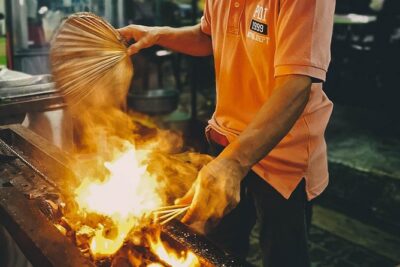
Sambal Streets Kuala Lumpur Food Tour with 15+ Tastings
Read our review →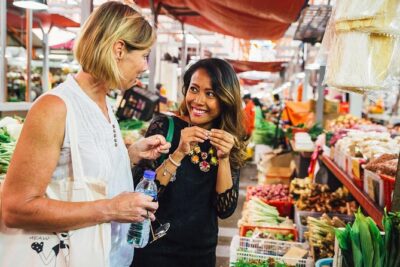
The 10 Tastings of Kuala Lumpur With Locals: Private Street Food Tour
Read our review →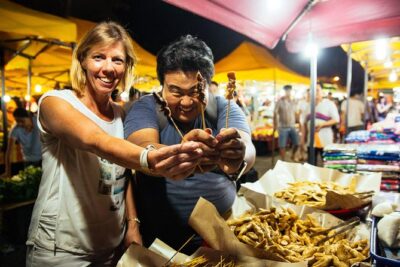
Kuala Lumpur Local Street Food Private Walking Tour by Night
Read our review →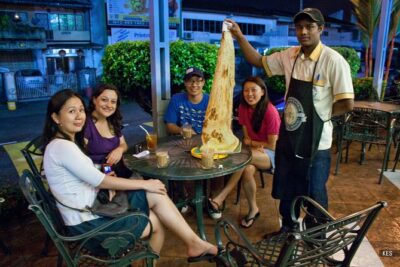
Eat Like a Local: Kuala Lumpur Hawker Center and Street Food Tour by Night
Read our review →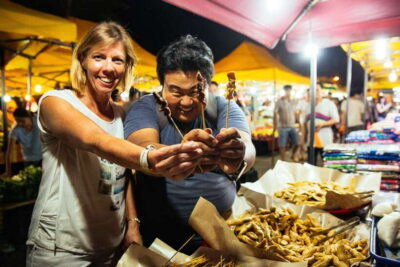
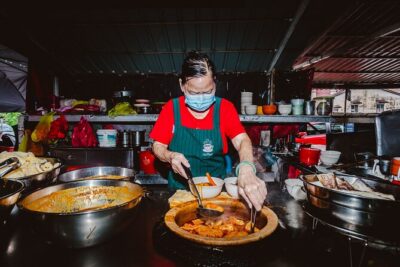
Laksa Lanes Kuala Lumpur Food Tour with 14+ Tastings
Read our review →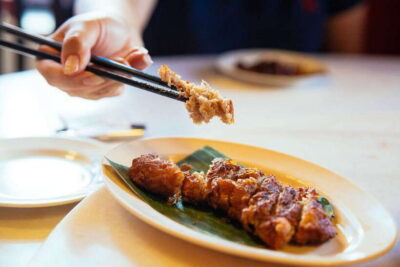
Browse the lists this tour appears in