
Reviewed · FOOD & DRINK
Kuala Lumpur Food Tour Through Chow Kit
Chow Kit is the point of this tour, not just the backdrop. You walk through its wet market, pass pre-war and colonial buildings, and eat your way through Malay, Malaysian, and Indian Muslim specialties before finishing with roti and pulled tea at Mohd. Yaseem Nasi Kandar. I like the local setting and the chance to see how Kuala Lumpur eats away from the polished restaurant scene. I also like the small group, capped at 10 people, which gives you room to ask questions.
The main consideration is the wet market itself. The meat section can feel confronting, especially if you prefer tidy food halls and gentle introductions to local life. Come hungry and open-minded, wear good walking shoes, and tell your guide about dietary needs before the tour begins.
In This Review
- Key points to know before you book
- Why Chow Kit makes a strong food-tour setting
- Walking through Chow Kit Wet Market
- Tasting local sweets and small bites
- Three food stops and a full evening meal
- The value of the $75 price
- Guides who shape the experience
- How demanding is the four-hour walk?
- Who will enjoy this Chow Kit food trail?
- Meeting, ending, and cancellation details
- Should you book this Chow Kit food tour?
- FAQ
- How long does the Kuala Lumpur Chow Kit food tour last?
- Where does the tour begin?
- Where does the tour finish?
- How many people can join the tour?
- How much food is included?
- Is a vegetarian option available?
- What should I bring and wear?
Key points to know before you book
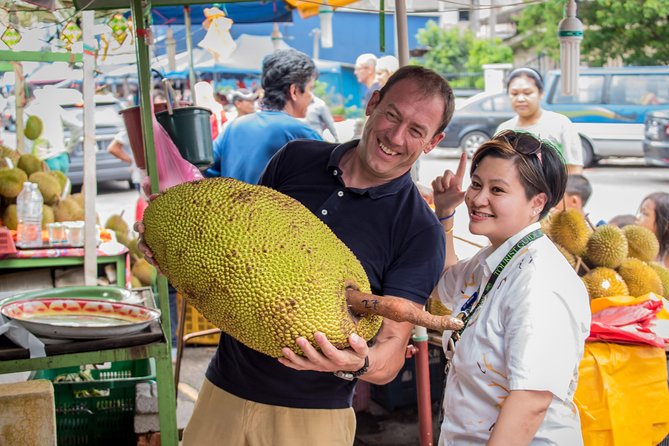
- Chow Kit Wet Market: Walk through one of Kuala Lumpur’s most revealing food districts, including its raw-food stalls and produce sections.
- At least 10 tastings: The four-hour route includes food at three outlets, with dinner and drinks included.
- Guides with local ties: Kuala Lumpur-born guides such as Danny, Ezy, Pauline, Jasmin, and Mimi explain both the dishes and the city around them.
- A useful evening start: Meet at Chow Kit Monorail Station at 3:30pm, then finish on Jalan Tuanku Abdul Rahman.
- Small-group format: No more than 10 people join, making it easier to ask about ingredients, ordering, and customs.
- A real neighborhood experience: This is a walking tour through working streets and back lanes, not a staged restaurant crawl.
Why Chow Kit makes a strong food-tour setting
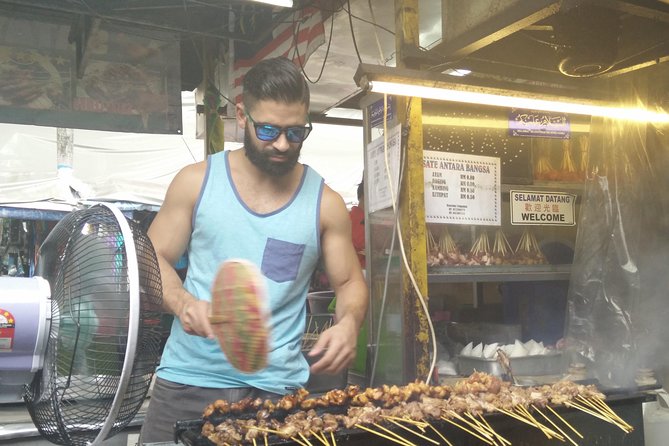
Many Kuala Lumpur food tours focus on famous restaurants or broad city highlights. This one keeps its attention on Chow Kit, a district where markets, modest food shops, old buildings, and everyday commerce sit close together.
You meet near the Chow Kit Monorail Station, by a convenience store, at 3:30pm. That meeting point is practical if you are using public transport, and the start time gives you a little breathing room after lunch. It also lets the tour run into the evening, when dinner becomes part of the route rather than a separate plan.
I like the way the walk links food with place. You are not simply handed a plate and told its name. Your guide explains how to order, how to eat, and where a dish fits into Malay and Malaysian culture. The surrounding streets help make those explanations concrete.
The route also includes pre-war and colonial buildings. These stops add a city-walking element that many food outings skip. You get a sense of how old Kuala Lumpur sits beside a working market district, rather than seeing the city only through grand landmarks.
More food tours in Kuala Lumpur:
- Sambal Streets Kuala Lumpur Food Tour with 15+ Tastings
★ 5.0 · 2,438 reviews - Kuala Lumpur: Sambal Street Food Tour with 15+ Tastings
★ 4.9 · 1,657 reviews - The 10 Tastings of Kuala Lumpur With Locals: Private Street Food Tour
★ 5.0 · 249 reviews
Walking through Chow Kit Wet Market
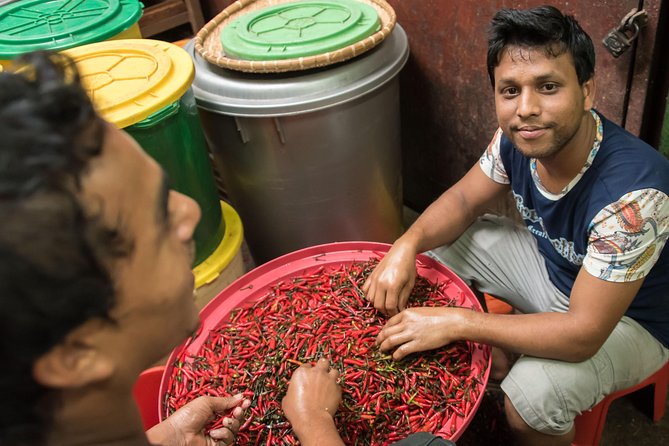
The wet market is likely to be the most memorable part of the afternoon. You can expect a close look at fresh produce, seafood, meat, and other ingredients used in local cooking. This is a place of work first, so the experience may feel less comfortable than a clean, air-conditioned market hall.
That raw-food section deserves a clear warning. One person found it overwhelming and especially confronting around the meat stalls. If you know that blood, strong smells, or open displays will spoil your afternoon, you may want to choose a gentler food experience instead.
If you can handle that side of the market, the stop gives you useful context. Your guide can point out ingredients you may later taste in prepared form, explain unfamiliar foods, and show how local cooks shop. I would ask questions here, since the market is where the tour’s cultural value is strongest.
The guide’s role matters. Danny has been praised for making the route comfortable for a parent and an eight-year-old child, while Pauline has led visitors through the market and explained fruits, vegetables, and prepared foods. Those details suggest a route that can work for curious families, though children should be ready for four hours of walking and the direct sights of a wet market.
Tasting local sweets and small bites
The first food stop may include a local sweet cart, with small cakes and a peanut butter pancake among the early tastings. Ezy has led this part of the walk with a warm, social approach that helps ease you into the food trail.
This opening is useful because it lets you start with familiar textures and lighter flavors before the more substantial dishes arrive. You also get a quick lesson in how Malaysian snacks can differ from the Western idea of dessert. A small portion at the start leaves room for the many dishes still ahead.
The exact food lineup can change. Market availability, stall hours, and the guide’s judgment all affect what appears on the day. The promise is at least 10 local and heritage varieties, rather than a fixed menu printed in advance.
That flexibility is a strength if you want a living food experience. It is a weakness if you need to know every dish before paying. Tell the guide about allergies or dietary restrictions at booking, and keep in mind that a vegetarian option is available if requested in advance.
Three food stops and a full evening meal
The tour visits at least three food outlets. With beverages and dinner included, the $75 price is not just paying for a guide to point at stalls. You are also paying for a substantial sequence of tastings, local explanations, and the convenience of having someone handle the ordering.
At each stop, your guide recommends what to try and explains how to eat it. That is especially helpful when a dish or condiment is unfamiliar. Instead of guessing at a menu or choosing the safest item, you can ask what is typical, what is spicy, and which foods are best shared.
The range is the main appeal. You may taste sweets, fruit, prepared snacks, and savory dishes during the walk, with the route ending at a Mamak Indian Muslim restaurant. This gives you a look at the mix of Malay and Indian Muslim food traditions that shape Kuala Lumpur’s everyday dining.
The final stop is Mohd. Yaseem Nasi Kandar on Jalan Tuanku Abdul Rahman. The meal ends with Indian rotis and Malaysia’s signature pulled tea, known locally as teh tarik. That finish gives the tour a proper dinner rather than leaving you to find food afterward.
Alcohol is not included. That will not matter to most people booking a market-focused food walk, but you should know that the included drinks are non-alcoholic.
A few more tours around Kuala Lumpur worth comparing
- Kuala Lumpur: Batu Caves Half-Day Tour with Pick-Up Option
★ 4.5 · 4,288 reviews - Private Half-Day Batu Caves and Cutural Tour in Kuala Lumpur
★ 5.0 · 3,107 reviews - From Kuala Lumpur: Historical Melaka Day Tour with Lunch
★ 4.4 · 2,297 reviews - Historical Malacca Guided Day Tour (Shared Tour)
★ 5.0 · 2,172 reviews
The value of the $75 price
At $75 per person, this is not Kuala Lumpur’s cheapest way to eat. You could spend far less buying individual snacks on your own. The question is what you want your money to do.
I see the value in the guide’s access and judgment. A local guide helps you move through an unfamiliar market, understand what you are seeing, and order food without relying on guesswork. Dinner and drinks are included, and the route lasts about four hours, so the price covers a full evening activity rather than a short tasting session.
The small group also supports the cost. With a maximum of 10 people, the guide can adjust the pace, answer questions, and keep the group together in crowded streets. That personal attention is more useful here than it would be on a simple restaurant meal.
Still, the value depends on your appetite for local conditions. If you want a polished dining room, a fixed menu, or a short list of carefully presented samples, $75 may feel high. If you want a guide, a neighborhood walk, a wet market, and enough food to replace dinner, the price is easier to justify.
Guides who shape the experience
The guide can make or break a food walk, and this route places a lot of weight on that person. The listed guides include Danny, Ezy, Pauline, Jasmin, and Mimi, with each bringing a slightly different style.
Danny is described as kind and attentive, including with a young child. Ezy brings an upbeat welcome and a social tone. Pauline is strongly tied to the wet-market portion, while Jasmin has led the four-hour route with food and city background in equal measure. Mimi has guided the walk with a strong feel for the area and a local point of view.
The common thread is communication. You are encouraged to ask questions throughout the tour, so this is not the best choice if you prefer to walk quietly and simply receive food. Ask about ingredients, local habits, building styles, or the history of Kuala Lumpur as you go.
A good question can change the evening. You might ask how a dish is normally ordered, which parts are eaten together, or how Malay food differs from Indian Muslim food in the same district. The guide is there to make the food less mysterious and the neighborhood easier to read.
How demanding is the four-hour walk?
You need a moderate level of physical fitness. The tour is a walking trail through a market and city streets, with several stops for food. It is not described as a strenuous hike, but four hours on your feet can feel long in Kuala Lumpur’s heat.
Wear comfortable shoes. This is practical advice, not a style suggestion. Market floors, sidewalks, and back streets can make poor footwear annoying before the first full meal arrives.
Bring a water bottle, since hot weather can leave you thirsty even when food and drinks are included. An umbrella or raincoat is also sensible because Malaysia’s weather can change quickly.
I would avoid white clothing. This is a food-heavy walk, and a spill from a sauce, drink, or market sample can turn a light shirt into an unwanted souvenir.
The afternoon start helps somewhat with the heat, but it does not remove the need for water and sensible clothing. If rain cancels the experience, you are offered another date or a full refund.
Who will enjoy this Chow Kit food trail?

I would recommend this tour to you if you want food tied to daily life. It suits curious eaters who enjoy markets, modest local businesses, city stories, and dishes they may not recognize at first glance.
Families can work well here, as long as children are prepared for the market and the walking time. The experience has been suitable for an eight-year-old accompanied by a parent, but each child is different. The meat section may be too direct for some young children.
It also suits first-time visitors who want help ordering. You do not need to research every dish or memorize Malay food terms before arriving. The guide handles much of the practical work and encourages you to try foods outside your usual routine.
I would be more cautious if you have a very limited diet, strong food anxieties, or a low tolerance for markets with raw meat. A vegetarian option is available with advance notice, but the tour still passes through a working wet market.
People seeking nightlife, alcohol, or a luxury dining experience should choose something else. This is about streets, stalls, market ingredients, and a relaxed meal at a Mamak restaurant.
Meeting, ending, and cancellation details
You meet at Hilton Garden Inn Kuala Lumpur Jalan Tuanku Abdul Rahman South, at 452 Jalan Tuanku Abdul Rahman, near Chow Kit Monorail Station. The practical meeting instruction is to find the guide by a convenience store at 3:30pm.
The walk ends at Mohd. Yaseem Nasi Kandar Restaurant, 351 Jalan Tuanku Abdul Rahman. Because the final stop is a restaurant, you finish with food rather than being left at an unnamed street corner.
Hotel pickup and drop-off are not included, so plan your own way to and from the route. The mobile ticket is convenient, and confirmation is sent within 48 hours, subject to availability.
You can cancel for a full refund up to 24 hours before the start time. Changes or cancellations made inside that window are not accepted for a refund. The tour requires suitable weather, and a weather cancellation brings the choice of another date or a full refund.
Should you book this Chow Kit food tour?
Book it if you want Kuala Lumpur on foot, one bite at a time, with a local guide who can explain what you are seeing and eating. The strongest reasons are the Chow Kit Wet Market, the wide range of at least 10 tastings, and the small group size.
I especially like that the route does not stop at food names. It connects the market, older buildings, ordering customs, and dinner at a Mamak restaurant. That makes the four hours feel like a useful introduction to the city, not just a succession of snacks.
Skip it if the thought of a raw-food market makes you uncomfortable, or if you want a controlled menu in a quiet setting. For everyone else, arrive hungry, wear shoes built for walking, and tell your guide about dietary needs before the first tasting.
FAQ
How long does the Kuala Lumpur Chow Kit food tour last?
The tour lasts approximately four hours and starts at 3:30pm.
Where does the tour begin?
You meet at Chow Kit Monorail Station, by a convenience store, near Hilton Garden Inn Kuala Lumpur Jalan Tuanku Abdul Rahman South at 452 Jalan Tuanku Abdul Rahman.
Where does the tour finish?
The tour ends at Mohd. Yaseem Nasi Kandar Restaurant at 351 Jalan Tuanku Abdul Rahman in Chow Kit.
How many people can join the tour?
The small-group tour has a maximum of 10 travelers.
How much food is included?
You visit at least three food outlets and taste at least 10 local and heritage varieties. Dinner and beverages are included.
Is a vegetarian option available?
Yes. A vegetarian option is available, but you should request it when booking.
What should I bring and wear?
Wear comfortable shoes, bring a water bottle, and carry an umbrella or raincoat if rain is possible. Avoid wearing white because food and drinks may spill.
More tours in Kuala Lumpur we've reviewed
- Batu Caves & Putrajaya Highlights: Landmarks & Botanical Garden★ 4.5 · 3 reviews
- AVANI Sepang Goldcoast Resort Hotel TO Kuala Lumpur Hotel Door to Door Transfer★ 4.5 · 3 reviews
- KL Cruise Excursions from Port Klang for KL City Tour★ 4.5 · 3 reviews
- Fireflies & Silver Leaf monkey Tour With Free Batu Caves Temple★ 5.0 · 3 reviews
- Private Kuala Lumpur City Tour with KL Tower & Batu Caves★ 5.0 · 3 reviews
- Exclusive Malacca Private Tour★ 5.0 · 3 reviews
- Fireflies and Kuala Selangor Tour Including Dinner★ 3.5 · 3 reviews
- Private Batu Caves & Petronas Twin Tower Tickets With Lunch *26*★ 5.0 · 3 reviews
Food & Drink, compared.
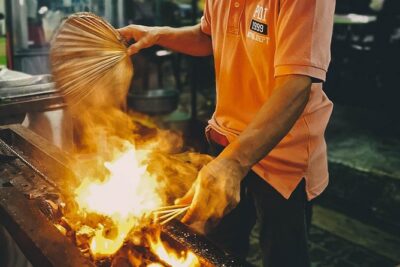
Sambal Streets Kuala Lumpur Food Tour with 15+ Tastings
Read our review →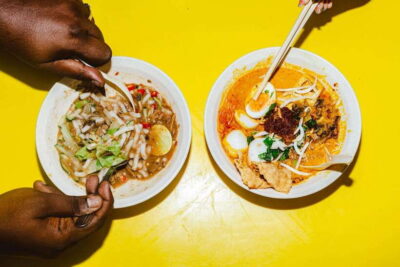
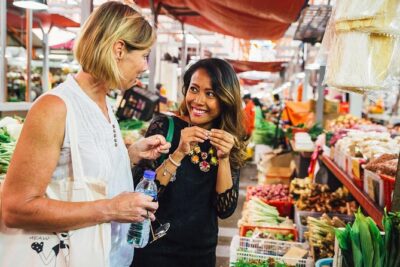
The 10 Tastings of Kuala Lumpur With Locals: Private Street Food Tour
Read our review →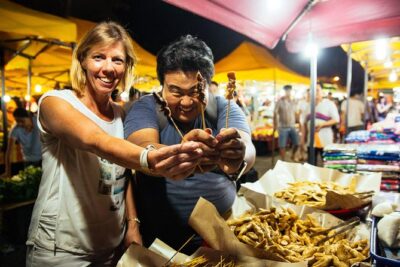
Kuala Lumpur Local Street Food Private Walking Tour by Night
Read our review →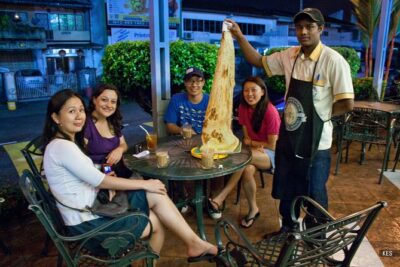
Eat Like a Local: Kuala Lumpur Hawker Center and Street Food Tour by Night
Read our review →
Laksa Lanes Kuala Lumpur Food Tour with 14+ Tastings
Read our review →
Browse the lists this tour appears in