
Reviewed · FOOD & DRINK
Kuala Lumpur: Nightlife Street Food Tour with 6 Tastings
Kuala Lumpur’s best food lesson may happen between the meals. This four-hour evening tour links Malay, Indian, and Malaysian-Chinese cooking with the city’s public transport, Chinatown lanes, and Sri Maha Mariamman Temple. You get to taste dishes you might not order alone, then learn how they fit into Kuala Lumpur’s mixed cultural life.
I like the range of food and the way the tour uses the MRT rather than keeping you in one tourist district. I also like the local focus: family-run food counters, a 70-year-old meatball shop, a charcoal-fired claypot rice restaurant, and a small tea stop. The main consideration is mobility. Expect walking, stairs, public transport, and standing in food places, so this is not suitable for wheelchair users or people with mobility impairments.
In This Review
- Key points to know before you book
- Why this food tour works so well in Kuala Lumpur
- Lot 10 Hutong starts the evening with cendol
- The MRT ride turns transport into part of the tour
- Sri Maha Mariamman Temple adds meaning to the food
- Roti canai shows the city’s Indian influence
- REXKL shows another side of Chinatown
- Chinatown brings the main food stretch
- The guide is the real value
- How much food do you actually get?
- Pace, group size, and comfort
- Who should book this Kuala Lumpur food tour?
- Should you book it?
- FAQ
- Where does the Kuala Lumpur food tour start?
- Where does the tour finish?
- How long does the experience last?
- How many tastings are included?
- Is the MRT fare included?
- What food will I try?
- Is the tour offered in English?
- Can I book a private tour?
- Is the tour suitable for wheelchair users?
- Can I cancel the booking?
Key points to know before you book
- Six tastings, five food samples and one tea sample: Expect cendol, roti canai, beef meatball soup, claypot chicken rice, and other local bites selected by your guide.
- Several cultures in one evening: The route brings together Malay, Indian, and Malaysian-Chinese food traditions.
- MRT travel is part of the lesson: You ride between Bukit Bintang and Chinatown instead of relying only on a private vehicle.
- A guide makes the difference: Kugan, Jasmine, Yoga, Danny, Grace, Alice, Richard, Ari, and Selyah have all led tours, with strong praise for their food and city knowledge.
- The tour ends in Chinatown: You can return toward Bukit Bintang by MRT or stay out and continue your evening there.
- Come hungry and wear sensible shoes: Four hours of tasting and walking can add up, even though the food arrives in sample portions.
Why this food tour works so well in Kuala Lumpur
Kuala Lumpur is not a city with one signature cuisine. Its food reflects Malay, Indian, Chinese, and other influences, often in the same neighborhood. That can make eating here exciting, but it can also leave you staring at a menu without knowing what to choose.
This tour gives you a guided introduction. Instead of ordering one large dish at one restaurant, you taste several classics and hear what makes each one different. Your guide can explain ingredients, preparation, and local customs as you go. That context matters more than a simple checklist of snacks.
The route also gives you a useful first look at central Kuala Lumpur after dark. You begin at PARKROYAL COLLECTION Kuala Lumpur, visit Lot 10 Hutong, take the MRT, see a major Hindu temple, stop at REXKL, and finish in Chinatown. It is part food walk, part city orientation.
The $41 price is fair if you value guidance and variety. Five food samples, one tea sample, public transport, and four hours with an English-speaking guide would cost less if you visited only one food court on your own, but you would lose the explanations, ordering help, and route planning. You are paying for access to several stops in a short time, not simply for dinner.
More evenings out in Kuala Lumpur:
- Kuala Lumpur: Nightlife Walking Tour with Local Guide
★ 5.0 · 33 reviews - Kuala Lumpur’s Nightlife Secrets and Street Food
★ 5.0 · 18 reviews - Kuala Lumpur Night City Tour: Experience the Nightlife
★ 4.5 · 7 reviews
Lot 10 Hutong starts the evening with cendol
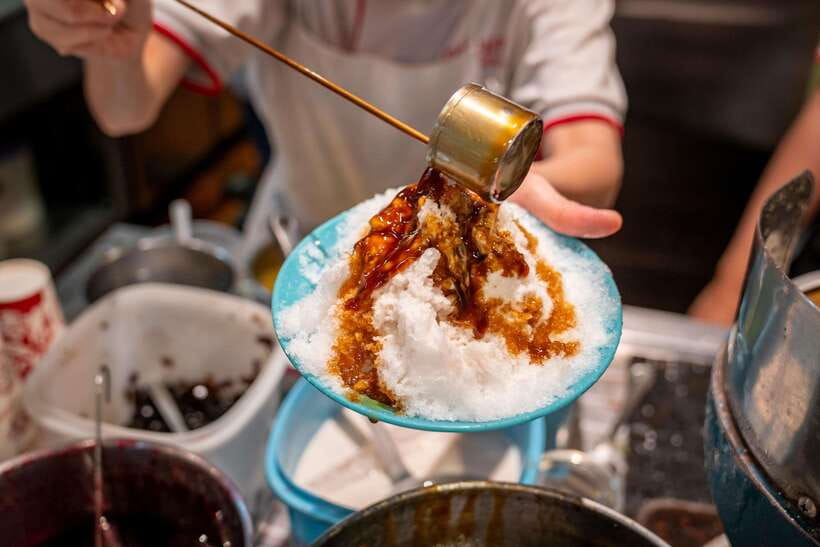
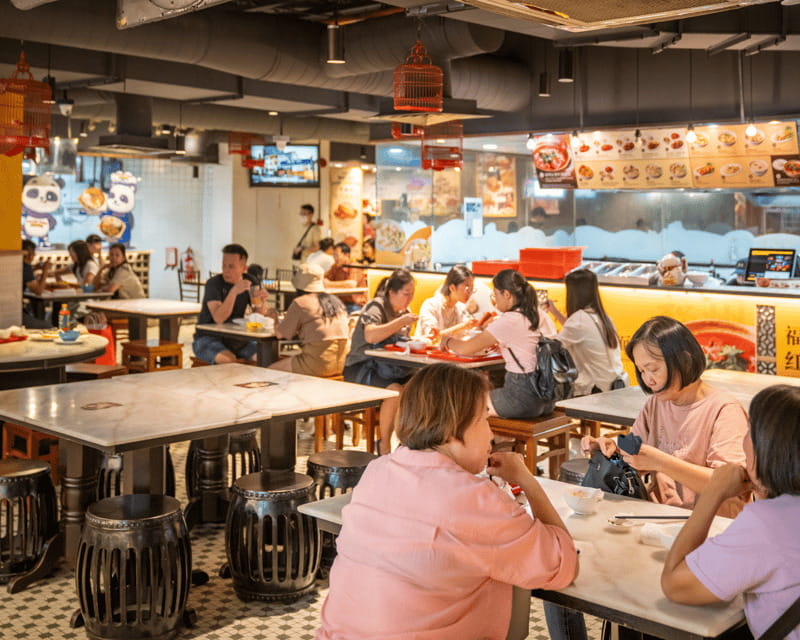
The first food stop is Lot 10 Hutong Food Court, a well-known Kuala Lumpur dining hall where several operators come from multi-generational food families. This is a sensible opening because it puts familiar local food in one easy setting and lets your guide explain what you are about to taste.
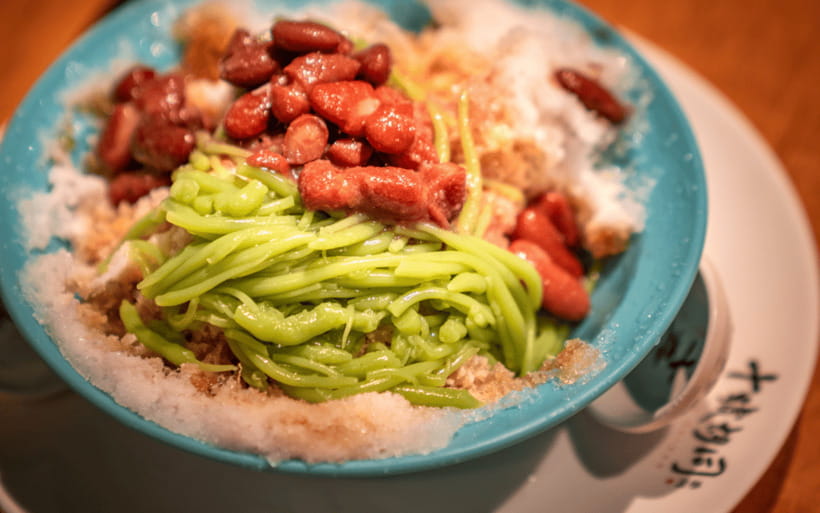
The named specialty here is cendol, one of Malaysia’s classic desserts. It combines pandan jelly with coconut milk and palm sugar. Expect a sweet, cool, creamy bowl with a soft, slippery texture from the jelly. If you have never tried pandan before, cendol is a useful introduction to one of the flavors that appears across Southeast Asian desserts.
This first stop is not just a sugar break. It shows how Kuala Lumpur preserves older food traditions inside a modern commercial setting. The food court is easier to reach than a far-flung stall, yet the family background of its vendors gives the dish a strong link to local cooking.
The stop lasts about 30 minutes. Since the tour includes several more tastings, you should treat cendol as a sample rather than a full dessert course. Tell your guide about allergies or food preferences at the start. One guide, Yoga, was specifically praised for adapting the food choices to dietary needs.
The MRT ride turns transport into part of the tour
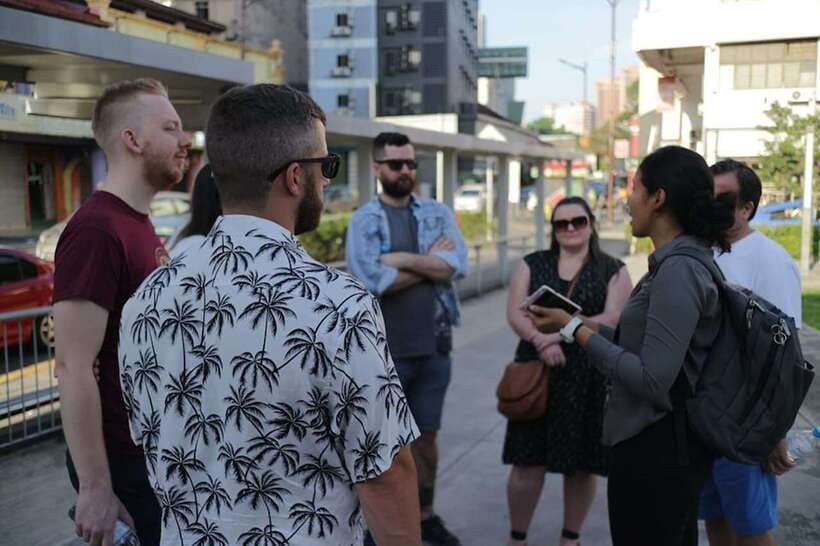
After Lot 10 Hutong, you ride the MRT for about 15 minutes. Public transport is included, and the train ride is useful for more than getting from one meal to the next.
Kuala Lumpur’s rail system helps you see how the central districts connect. You also get practical help using the MRT, which can make the rest of your stay easier. Jasmine was especially praised for helping a group understand the train system and making sure they knew where to go at the end of the tour.
This is a small-group or private experience, so the pace may feel more personal than a large coach outing. Still, public transport means you should be ready for station walking and the normal movement of an urban evening. The route is not built for a chair or for someone who needs to avoid stairs and extended walking.
Sri Maha Mariamman Temple adds meaning to the food
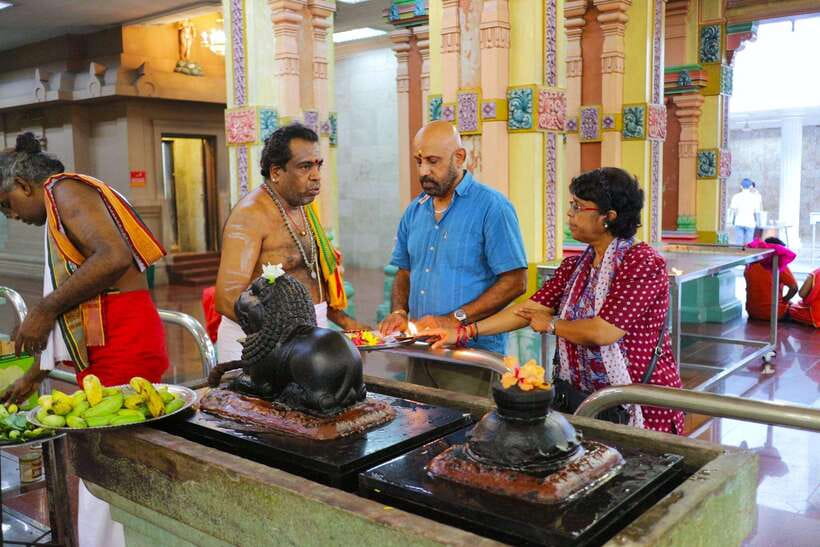
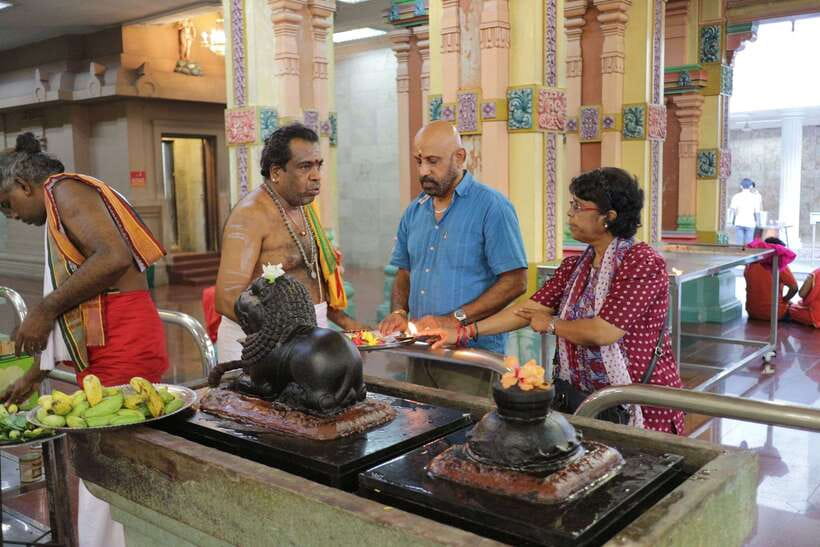
The tour pauses at Sri Maha Mariamman Temple for about 30 minutes. It is Kuala Lumpur’s primary Hindu temple and an important place for the city’s Indian community.
This stop gives the evening some balance. You are not only moving from restaurant to restaurant. The temple helps explain the Indian influence visible in Kuala Lumpur’s food, especially before you eat roti canai. Your guide can connect the building, the neighborhood, and the community to the dish that follows.
The visit is guided and includes walking. Dress and behave respectfully at a religious site, even though the stop is fairly short. The value here depends on your guide’s explanation. Guides such as Richard, Danny, Jasmine, and Grace were repeatedly praised for bringing food, buildings, and Malaysian culture together in a clear way.
More food tours in Kuala Lumpur:
- Sambal Streets Kuala Lumpur Food Tour with 15+ Tastings
★ 5.0 · 2,438 reviews - Kuala Lumpur: Sambal Street Food Tour with 15+ Tastings
★ 4.9 · 1,657 reviews - The 10 Tastings of Kuala Lumpur With Locals: Private Street Food Tour
★ 5.0 · 249 reviews - Kuala Lumpur Local Street Food Private Walking Tour by Night
★ 4.5 · 224 reviews
Roti canai shows the city’s Indian influence
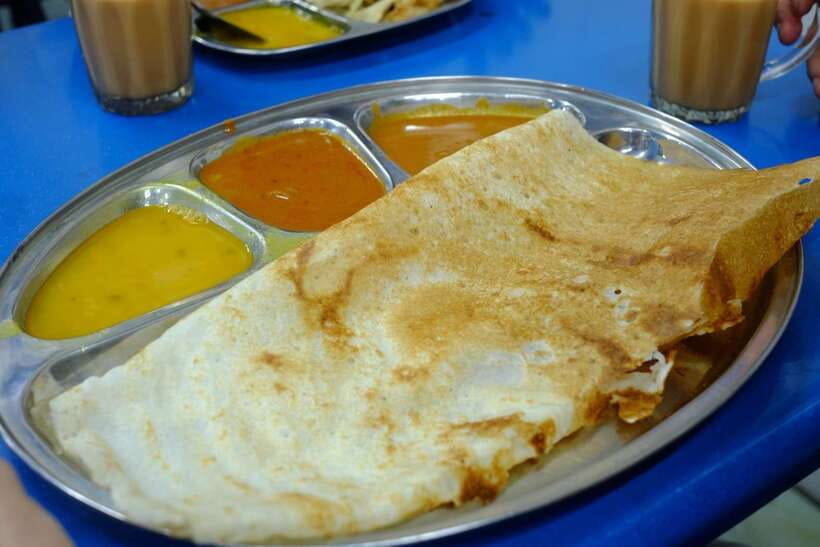
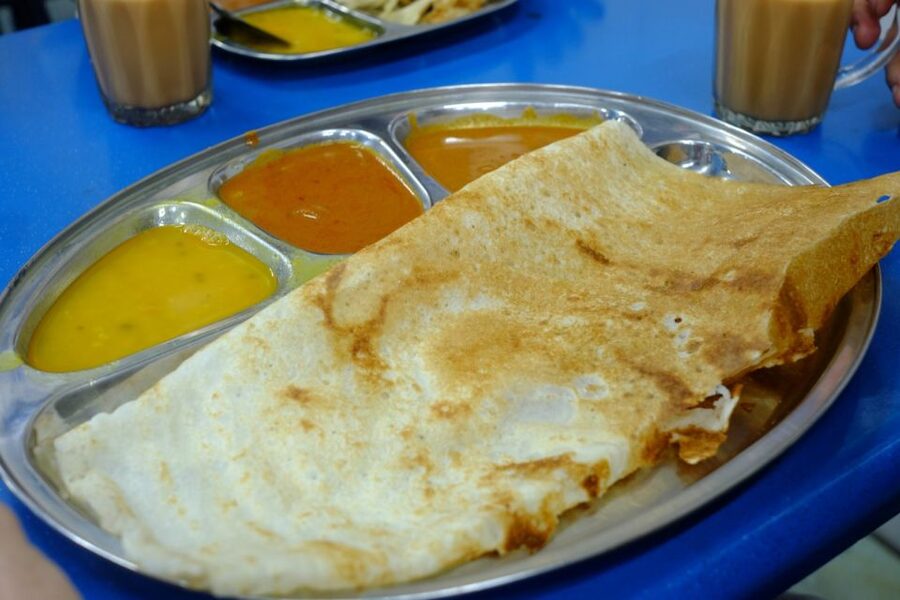
At Hamza Cafe versus Kandar, you sample roti canai, a savory Indian-influenced flatbread served with curry and soup. It is one of the most useful dishes to learn early in a Malaysia trip because it works as breakfast, a snack, or a casual meal.
Roti canai is not fussy food. The pleasure comes from the contrast between the flaky bread and the sauces alongside it. Your guide can help you understand how to eat it and what flavors to notice. This is exactly the sort of dish that can seem simple until someone points out the details.
The stop is planned for around 30 minutes. You should expect a tasting rather than a long restaurant meal. The route gives you several chances to try food, so the smaller portions are an advantage. They leave room for the dishes ahead, though anyone who prefers a slow dinner may find the schedule a little brisk.
REXKL shows another side of Chinatown
REXKL is a 30-minute stop before the evening moves into its longer Chinatown stretch. The complex is presented as part of the local effort to give an older city space a new purpose in a more sustainable way.
That detail gives you a different view of Kuala Lumpur. Chinatown is not only a place for old shopfronts and food stalls. It is also changing, with local projects trying to keep central buildings useful rather than letting them fade away. Your guide explains this process while showing you the site.
REXKL also acts as a bridge between the cultural and culinary parts of the tour. You have seen a major Hindu temple and sampled Indian-influenced food. Now you are looking at urban renewal before entering Chinatown’s evening food scene. It is a short stop, but it helps the route feel like a city tour rather than a restaurant crawl.
Chinatown brings the main food stretch
The final 75-minute section takes place in Chinatown and includes street food, dinner, coffee, and guided exploration. This is the longest portion of the evening, and it is where the food variety really comes together.
One key stop is a 70-year-old establishment serving beef meatballs in hot soup. The dish is direct and comforting: tender meatballs, hot broth, and the kind of straightforward cooking that works well after a day of sightseeing. The age of the shop also gives your guide a chance to explain how long-running food businesses fit into Kuala Lumpur’s changing center.
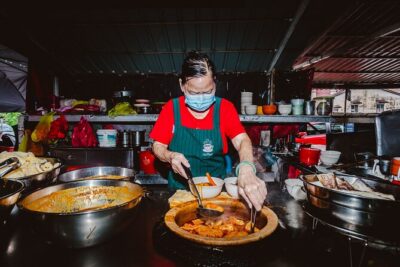
You then visit a charcoal-fired eatery known for claypot chicken rice, a Malaysian-Chinese specialty. Cooking over charcoal gives this dish a traditional feel and makes it a useful contrast to the Indian flatbread and sweet cendol earlier in the evening. The rice-based main course also makes the tour more substantial than a series of tiny snack samples.
The route finishes with a visit to a less obvious café for carefully prepared tea. The tea is described as a way to aid digestion, and it gives you a calmer ending after the richer food. The itinerary also includes coffee, so the exact drink experience may depend on the route and guide, but the included tasting is one tea sample per person.
Finally, you walk through an alley decorated with lanterns. It is a fitting end to a night in Chinatown, with plenty of atmosphere for photos without requiring another formal attraction. The tour ends in Chinatown Kuala Lumpur, not back at the starting hotel.
The guide is the real value
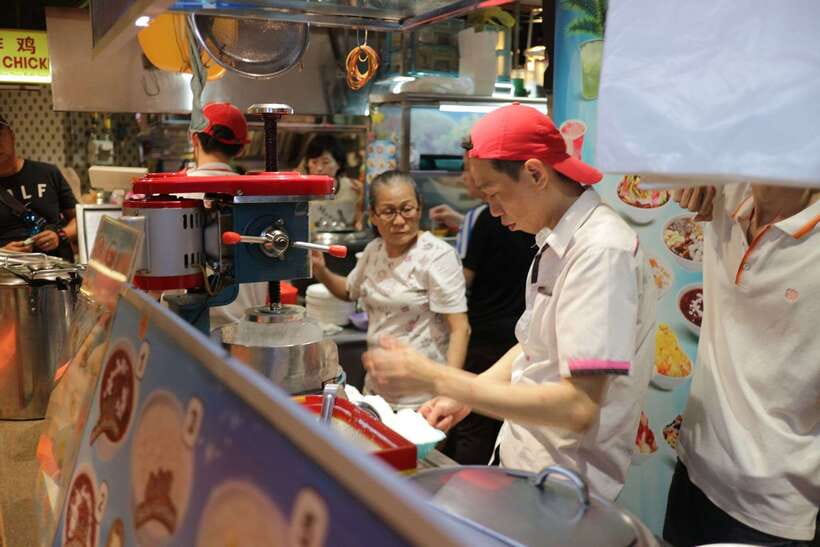
The food is the reason to book, but the guide determines how much you get from it. The strongest aspect of this experience is the personal explanation at each stop.
Kugan was praised for making the dishes easy to understand and for helping a group know what to order later in the trip. Jasmine was praised for food choices, area knowledge, MRT help, and practical care at the end of the evening. Danny appears often among the named guides and is especially associated with local dining spots, food explanations, and useful suggestions for the rest of a Kuala Lumpur stay.
Yoga was described as friendly and flexible with tastes and allergies. Grace added background about preparation, food, buildings, and the country while keeping the evening light. Alice, Richard, Ari, and Selyah were also praised for clear explanations, good company, and strong local guidance.
You cannot choose every guide in advance from the information provided, so book this with the understanding that the individual style may vary. The repeated strength is not one fixed personality. It is the guide’s role in ordering, explaining, handling the route, and helping you feel comfortable using the MRT.
A useful practical point came from a meeting mix-up: the guide waits inside the PARKROYAL COLLECTION Kuala Lumpur lobby, not outside the hotel. Look for the person wearing a tourist guide lanyard. If you are meeting there, confirm the hotel name and lobby location before setting out.
How much food do you actually get?
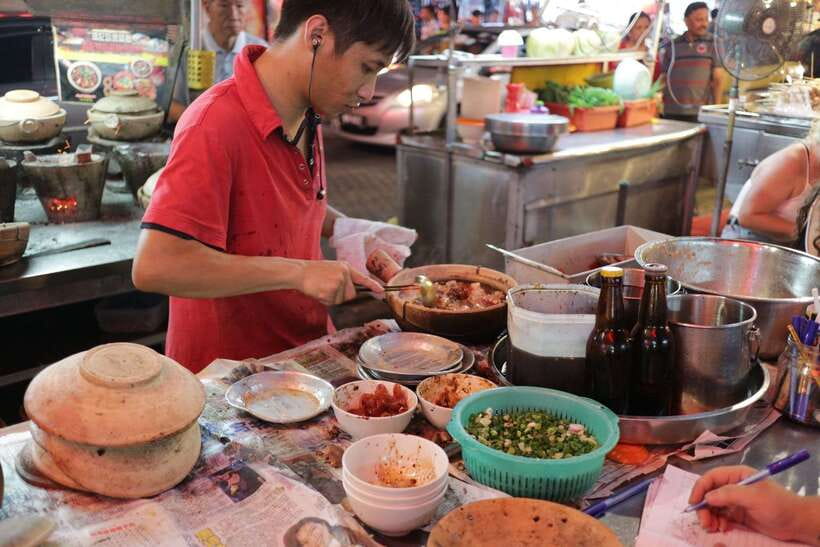
The tour includes five food samples and one tea sample. The named foods cover dessert, flatbread, soup, and a rice dish, with additional food sampling in the Chinatown portion. Several people found the food plentiful, but this is still a tasting tour, not an all-you-can-eat dinner.
You should eat lightly beforehand. One of the clearest practical messages from the experience is to arrive with an appetite. The dishes are varied and some are filling, especially claypot chicken rice and roti canai with curry.
Extra drinks and tastings are not included. That keeps the $41 price clear, but your final spending may rise if you order more at a stop. Ask your guide what is included before adding anything.
Pace, group size, and comfort
The tour lasts four hours, with walking at most stops and a 15-minute MRT ride. The timing is well suited to someone who wants a concentrated introduction to Kuala Lumpur’s food and central districts.
Private and small-group options are available. A smaller group should make it easier to hear explanations, ask about ingredients, and get help ordering. It may also help at busy dining spots, where guides can assist with seating and placing orders.
This is not a low-effort evening. You will move between food venues, a temple, a cultural complex, and Chinatown streets. Wear comfortable shoes and expect the possibility of standing. The experience is not suitable for wheelchair users or people with mobility impairments.
The tour operates in English. Guides have helped with dietary requirements, but you should state allergies and preferences before the first tasting rather than waiting until food arrives.
Who should book this Kuala Lumpur food tour?
I would recommend it to first-time visitors who want a fast, friendly introduction to Malaysian food. It is also a good choice if you are nervous about using the MRT, unsure how to order local dishes, or staying near Bukit Bintang and want a planned evening that ends in Chinatown.
Food lovers who already know Kuala Lumpur may still enjoy the less obvious dining stops and the Chinatown route, particularly with a private guide. The cultural stops also make it useful for anyone who wants more than a restaurant list.
I would skip it if you want a long, leisurely dinner at one restaurant, dislike public transport, or cannot manage several hours of walking. It is also less suited to very restricted diets unless the operator can confirm suitable substitutions before booking.
Cancellation is free up to 24 hours in advance, and you can reserve now and pay later. Those terms help if your Kuala Lumpur schedule is still shifting.
Should you book it?
Book this tour if you want to eat across several Malaysian traditions in one evening and learn how to find similar food on your own later. The mix of cendol, roti canai, beef meatball soup, claypot chicken rice, tea, temple culture, REXKL, and Chinatown gives you a strong first-night orientation.
At $41, the value is best for solo visitors, couples, and small groups who would otherwise spend time guessing where to eat and how to use the MRT. You are paying for a route, not just six tastes. If you arrive hungry, wear good shoes, and tell the guide about your food needs, this is a practical and enjoyable way to begin eating your way through Kuala Lumpur.
FAQ
Where does the Kuala Lumpur food tour start?
The tour starts at PARKROYAL COLLECTION Kuala Lumpur. The guide waits at the meeting point inside the hotel lobby and wears a tourist guide lanyard.
Where does the tour finish?
The tour finishes in Chinatown Kuala Lumpur. You can return to Bukit Bintang MRT station by train or continue exploring Chinatown independently.
How long does the experience last?
The tour lasts four hours. Check the available starting times when booking.
How many tastings are included?
You receive five food samples and one tea sample. Extra drinks and additional tastings are not included.
Is the MRT fare included?
Yes. MRT public transport is included in the activity.
What food will I try?
The route includes cendol, roti canai with curry and soup, beef meatballs in hot soup, and claypot chicken rice. The Chinatown section includes further street food and dinner tastings, along with tea.
Is the tour offered in English?
Yes. The tour includes a live English-speaking guide.
Can I book a private tour?
Yes. Private and small-group options are available.
Is the tour suitable for wheelchair users?
No. The activity is not suitable for wheelchair users or people with mobility impairments because it includes walking and public transport.
Can I cancel the booking?
Yes. You can cancel up to 24 hours in advance for a full refund. You can also reserve now and pay later.
More tours in Kuala Lumpur we've reviewed
- Batu Caves & Putrajaya Highlights: Landmarks & Botanical Garden★ 4.5 · 3 reviews
- AVANI Sepang Goldcoast Resort Hotel TO Kuala Lumpur Hotel Door to Door Transfer★ 4.5 · 3 reviews
- KL Cruise Excursions from Port Klang for KL City Tour★ 4.5 · 3 reviews
- Fireflies & Silver Leaf monkey Tour With Free Batu Caves Temple★ 5.0 · 3 reviews
- Private Kuala Lumpur City Tour with KL Tower & Batu Caves★ 5.0 · 3 reviews
- Exclusive Malacca Private Tour★ 5.0 · 3 reviews
- Fireflies and Kuala Selangor Tour Including Dinner★ 3.5 · 3 reviews
- Private Batu Caves & Petronas Twin Tower Tickets With Lunch *26*★ 5.0 · 3 reviews
Food & Drink, compared.
Sambal Streets Kuala Lumpur Food Tour with 15+ Tastings
Read our review →
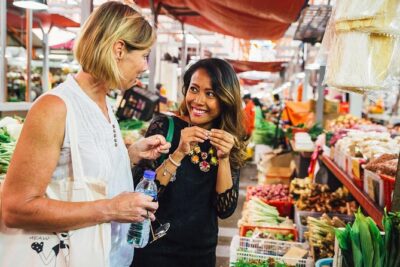
The 10 Tastings of Kuala Lumpur With Locals: Private Street Food Tour
Read our review →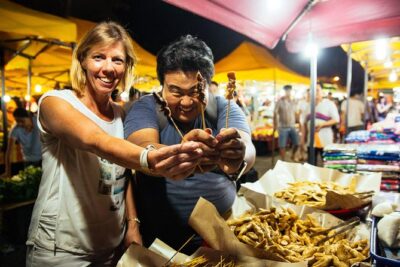
Kuala Lumpur Local Street Food Private Walking Tour by Night
Read our review →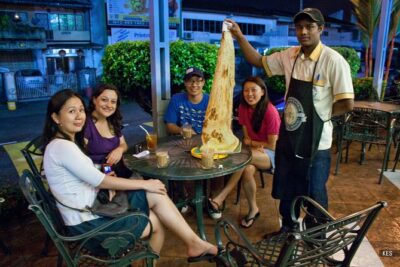
Eat Like a Local: Kuala Lumpur Hawker Center and Street Food Tour by Night
Read our review →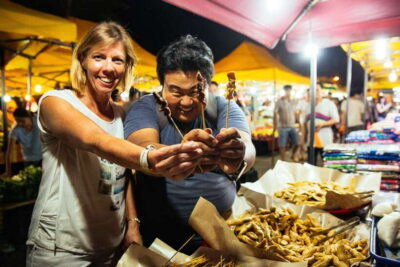
Laksa Lanes Kuala Lumpur Food Tour with 14+ Tastings
Read our review →
Browse the lists this tour appears in